Hummingbirds are among the most popular backyard visitors, admired for their vibrant colors, rapid flight, and ability to bring energy and beauty to any garden.
However, many Utah gardeners struggle to keep hummingbirds around in the fall, when flowers fade, water grows scarce, and unpredictable weather complicates migration support.
We always welcome gardeners dropping by the store with their questions. It is for this reason that we created this comprehensive guide. Join Glover Nursery as we share practical tips on how to attract hummingbirds in Northern Utah gardens during the fall season.
Why attract hummingbirds?
Hummingbirds are among the most captivating wildlife visitors to Northern Utah gardens. Their rapid wingbeats, shimmering feathers, and delicate grace bring energy and beauty to fall landscapes.
But why encourage them? Beyond their beauty, supporting hummingbirds strengthens the overall ecosystem in your garden, benefiting pollination, biodiversity, and the long-term health of native Utah plants.
Their presence ties your fall garden directly to the health of Utah’s food chain. Alongside bees and butterflies, they pollinate wildflowers, crops, and seasonal ornamentals. As they feed on nectar, pollen clings to their feathers and bills, which helps native plants reproduce and set seed before winter’s arrival.
They also contribute to natural pest control by helping reduce insect populations, giving gardeners an organic and chemical-free method to manage pests.
What is the spiritual meaning of seeing a hummingbird?
Hummingbirds feature strongly in the symbolism of many different cultures, which always add special meaning to the moments when we see them flitting around our gardens. For many people, hummingbirds symbolize joy, love, beauty, while also representing resilience, strength, and endurance.
Additionally, hummingbirds are often seen as messengers of good luck, positive energy, and spiritual guidance. Some cultures even view them as visitors from souls of the departed. Due to their quick and energetic nature, they are also symbolic of living in the moment and finding beauty in simple things.
A lot of symbolism for a tiny creature, but with all this in mind, why wouldn’t we want more of them around?
What attracts hummingbirds? 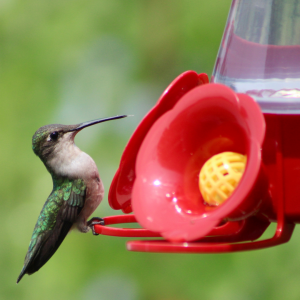
By combining nectar-rich plants, insect availability, and clean water, gardeners create a reliable stopover that encourages hummingbirds to linger longer during their seasonal visit in our state.
Hummingbirds burn energy at an incredible rate, so they will search for flowers with high nectar content. Feeders can help, but natural nectar is always their preference.
Nectar powers long migratory flights, fuels daily foraging, and supports survival during Utah’s unpredictable weather, particularly early snowstorms and sudden cold snaps in the Wasatch Front.
Without a source of nectar nearby, learning how to attract hummingbirds becomes much more difficult for gardeners hoping to see them regularly.
Tubular blooms in shades of red, orange, and violet are easiest for them to spot against Utah’s late-season landscape. These flowers become lifelines during migration, which is why many gardeners plant them specifically to support hummingbirds.
Water features also attract hummingbirds. Shallow baths, misters, and drippers provide hydration and create safe, moving water sources when natural water is scarce in Northern Utah.
For more information on this topic, see our guide on how to create a hummingbird-friendly backyard.
Nectar Sources
Milkweed is one of the most valuable plants for Northern Utah gardens in the fall. Its long-blooming tubular flowers provide dependable nectar when many other perennials are fading. At the same time, it serves as a host plant for monarch butterfly caterpillars, so one planting supports two major pollinator groups at once. There are two key varieties to keep in mind:
- Showy milkweed (Asclepias speciosa): Thrives in sandy or loamy valley soils under full sun, making it well-suited for Utah’s drier garden spots.
- Swamp milkweed (Asclepias incarnata): Performs better in irrigated or naturally moist areas, making it ideal for gardeners with beds near sprinklers or water features.
Because milkweed is a native plant, it adapts easily to local soils and requires very little upkeep. Once established, it continues producing nectar during the fall migration season, which is critical for late-traveling hummingbirds.
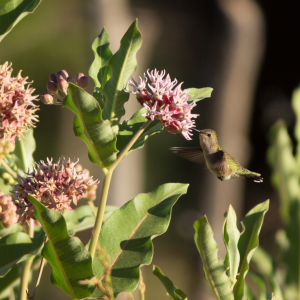
“But why do hummingbirds like milkweed?” Good question. Milkweed is hardy, low-maintenance, and a perfect nectar source for our little guests. There’s no better plant to include for hummingbirds in Utah gardens.
Milkweed flowers match hummingbird feeding anatomy. Their deep tubes allow long tongues to lap nectar efficiently, ensuring the birds get maximum energy per visit. The nectar is rich in sugars, which fuel hummingbirds for daily activities and migration.
Plus, unlike hybrids bred for color rather than nectar, milkweed consistently produces reliable amounts. Gardeners can trust it to sustain pollinators throughout fall without gaps in supply.
Protein Sources
Nectar alone is not enough for hummingbirds. They also require protein to stay strong and healthy, especially during migration. If you’re wondering how to attract hummingbirds in Northern Utah, this is another factor you need to take into account.
Small insects such as gnats and aphids are an important part of their diet. While often considered pests to us, these bugs are actually a valuable food source for hummingbirds.
Spiders are equally beneficial. Hummingbirds eat them for protein and also harvest their webs as nesting material, which helps anchor and protect their delicate nests.
It’s for this reason that Utah gardeners should avoid chemical pesticides whenever possible. Allowing insects to remain in the yard supports hummingbirds while preserving ecological balance.
Water Features
Another example of what attracts hummingbirds is the availability of nearby water sources.
Hummingbirds are small and vulnerable, so they need shallow and moving water features to drink from. If you have a birdbath, a good workaround is to add pebbles to it. This eliminates the risk of drowning and makes the water more inviting for drinking and bathing.
Stagnant water is also an issue. However, flowing fountains or drippers keep the water cleaner for longer, reducing maintenance while ensuring the feature remains fresh and attractive.
Safety
Keeping hummingbirds safe is just as important as feeding them. There are three main concerns to watch out for: pesticides, predators, and unclean feeders.
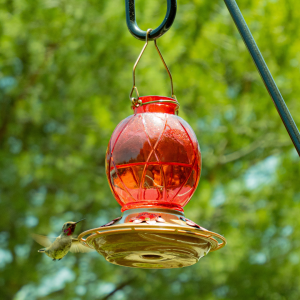
Pesticides not only kill the insects hummingbirds need for protein but also contaminate nectar plants. By avoiding chemicals in the fall, gardeners preserve a food chain that supports birds during their most demanding season.
Placing feeders and baths away from thick shrubs also prevents cats and other natural predators from ambushing the birds. This simple adjustment greatly increases the chance that hummingbirds will continue visiting your garden throughout migration.
Clean feeders are also equally important. Fresh sugar-water prevents fermentation and disease, ensuring birds remain well-fed even when drought or early frost shortens bloom time. For us gardeners, we can see these magnificent birds up close!
Perches are also a great addition to your yard. After feeding, hummingbirds use them to rest, digest, and watch for insects to catch, keeping them healthy and active.
Hopefully, these three factors should guide you on how to attract hummingbirds for your fall garden. If you have any questions that weren’t covered in this article, please reach out by filling out the Glover Nursery Inquiry Form. Better yet, drop by the store and ask our team in person! We’re always happy to help.
More FAQs about hummingbirds
When do hummingbirds migrate in the fall?
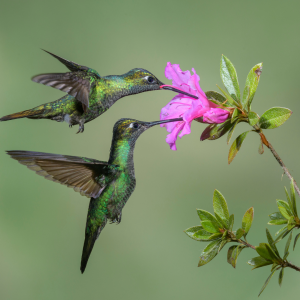
In Northern Utah, migration typically starts in late August, with most hummingbirds gone by early October. Cold nights dipping into the 40s often trigger earlier departures. We recommend checking online hummingbird migration maps for more accurate regional updates.
Males usually leave first, heading south to establish winter territories. Females and juveniles remain longer, building crucial fat reserves before beginning their strenuous journey across deserts and mountains.
Milkweed, as discussed above, plays a major role for late-season stragglers. Its nectar-rich flowers help birds refuel and store energy for long flights. At higher elevations in Utah, where frost arrives earlier, these food sources become even more critical. Without them, the few birds that linger face higher risks of exhaustion.
When do you stop feeding hummingbirds in the fall?
Keep feeders out for at least two weeks after your last sighting. This gives late migrants a chance to refuel. Feeders do not delay migration because hummingbirds leave according to daylight length, not food supply.
In Utah’s warm fall afternoons, nectar can spoil quickly, making regular cleaning essential. We highly recommend cleaning your feeders every three days to prevent fermentation and harmful bacteria from forming.
By late September in most of Northern Utah, feeders can usually come down, although in warmer valley gardens or southern Utah, they may be left up into October.
What fall flowers do hummingbirds like?
Several native flowers continue blooming into the fall and give Utah gardeners reliable options for attracting hummingbirds. At Glover Nursery, we believe milkweed tops the list, as its persistence into late summer and early fall makes it the most dependable nectar source.
Trumpet flowers are another strong choice. Their scarlet blooms brighten autumn gardens, and both trumpet vine and hummingbird trumpet perform well at higher elevations as well as valley floors. We highly recommend the following varieties for Northern Utah landscapes:
- Campsis radicans (Trumpet Vine)
- Zauschneria garrettii (Hummingbird Trumpet, Epilobium canum ssp. garrettii)
- Zauschneria latifolia (California Fuchsia)
Hyssop, also known as hummingbird mint, is another excellent option. Its tubular flowers provide late-season nectar, and it attracts not just hummingbirds but also butterflies and native bees.
For Utah gardeners, combining these plants with milkweed ensures a continuous nectar supply through fall migration. This variety keeps hummingbirds fueled and encourages them to linger longer in your yard.