Spring Gardening Nursery in Utah
Spring is the perfect time to start gardening in Utah, and visiting a local nursery makes all the difference. At Glover Nursery, we help gardeners across the Salt Lake Valley and Northern Utah know what to plant, when to plant, and how to get the best results in Utah’s unique spring climate.
Visit Glover Nursery: Your Utah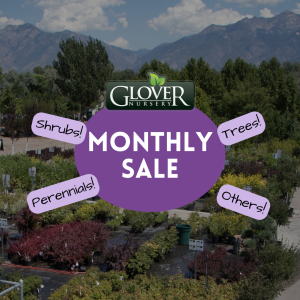 Spring Gardening Destination
Spring is one of the busiest and most exciting times at Glover Nursery. Our Spring inventory is stocked with a wide seasonal selection of trees, conifers, shrubs, perennials, cool-season vegetables, flowering annuals, and everything you need to get your garden growing.
When Does Spring Gardening in Utah Start?
Spring gardening in Utah doesn’t have a definite start date. It’s more of an estimate rather than a guarantee since it will depend on your location, type of plant, and, most importantly, the weather.
For vegetable gardens, Northern Utah also encompasses a wide range of elevations and microclimates, which means frost dates can vary by several weeks across just a few miles. But gardeners along the Wasatch Front typically enjoy around 170-175 frost-free days.
In Salt Lake City, the last frost window generally falls in early to mid-May. Further north in Ogden and Layton, it tends to run closer to mid-May, while higher elevations may push these dates even later.
While you wait for the last frost in your area, the good news is that you can keep yourself busy by planning your vegetable garden earlier for cool-season crops to go in. This will give you a head start as early as mid-March.
While ‘last frost’ dates are important for your veggie garden, you can start to plant trees, conifers, shrubs, roses, and even perennials much earlier in the season.
We start bringing in fresh inventory as soon as February because, as we always say, if you can dig, you can plant. And, for much of our inventory, taking advantage of the cooler months for planting does offer the bonus of reducing potential transplant shock in your new plants.
Here at Glover Nursery, we typically divide spring into two timeframes: Early Spring, which runs from March to April, and Late Spring, which runs from May to June. Each mini-season requires different plant prep, care, and watering instructions.
As such, we’ve created separate guides to peruse so you don’t mix up the two.
When Should You Start Seeds in Utah?
How do you know when to start your seeds for spring? You’ll need your area’s average last frost date and your seeds’ germination time. Then add two weeks of growth before transplanting it to your garden.
This is easily explained by this equation:
(Average Last Frost Date – Germination Time) + 2 Weeks = Ideal Seed Starting Timing |
Cost-effective veggies like tomatoes, peppers, and eggplant are typically started indoors in mid to late February. Then they’re transplanted outside in late April or May.
Broccoli and cabbage can be started indoors in late February and transplanted in early to mid-April. But if you’d like to start earlier, row covers can protect these from light frost and extend your planting window earlier than intended.
You can direct sow peas, carrots, radishes, beans, corn, cucumbers, and squash outdoors as these plants will germinate during cooler weather conditions. If you’ve missed the direct sowing window, you can always plant veggie starts to get your garden growing a little more quickly. We offer both seeds and veggie starts here at the nursery.
When Can You Start a Vegetable Garden in Utah?
It depends on two things: your last frost date and the type of crop you’ll plant. Cool-season crops such as peas and spinach can go in the ground as early as mid-March. Warm-season veggies like tomatoes and peppers, on the other hand, need to wait until mid-May for warmer soil.
We do have a full breakdown of this topic. See our dedicated guide for more info: Spring Vegetable Planting Guide
While we’re on the topic, your last frost date varies depending on your elevation, slope, and proximity to urban areas.
These can all shift your planting window by days or even weeks. The best thing you can do while waiting is to prep the soil by working compost into your garden beds. There are many benefits to adding composted organic matter into your veggie or flower beds.
- Improved nutrient accessibility,
- Better drainage (to prevent sitting water)
- Helps to retain moisture in the soil
- Helps repair soil structure
You can also introduce soil amendments, such as Harvest Supreme, which are designed specifically to help increase your vegetable yield, along with adding nutrient density to depleted soil.
Best Plants for Spring Gardening in Utah
After five generations of starting, growing, and selling plants in the Salt Lake Valley, the team at Glover Nursery are experts in knowing which plants will perform best in Utah.
Spring is an ideal time to get your planned trees, conifers, and shrubs in the ground, in addition to cool-season veggie crops to get the first harvest of cole crops before the season heats up.
And while there are hundreds of options we can recommend in every category of plant, for the sake of this page, below are a few highlights for each category:
Best Spring Trees in Utah
Spring is one of the best times to plant trees in Utah. The main reason is, the incredible selection of inventory that is available in spring cannot be matched during other times of the year.
There are other benefits such as the cooler temperatures, which make it easier to work outside, and the cooler weather also helps reduce the potential for transplant shock in your plants.
In general, there tends to be a bit more moisture in soils, which can make it easier to dig. And, while it does take a few years for trees to properly establish root systems, 3 years is common for most varieties.
By planting in early spring, trees will start to set new roots ahead of a hot summer, which will help them to take up more water during the hotter months of the year. Though you will need to follow recommended watering protocols to properly establish the root system for the long-term health of the plant. See our watering recommendations here.
All that being said, 3 favorite trees for planting in early spring are: Crabapples, Redbuds, and Magnolias. The main reason for these being favorites is that if you plant them before they break dormancy, you will get to enjoy their fabulous flowers in your own landscape!
All three varieties do well in Utah, though you will want to check your water type before planting, as high salt content from some secondary water sources can impact the success of Redbuds and Magnolias.
- Crabapples are one of the most reliable and hardy spring-flowering trees you can find in the Wasatch Front. In addition to being low maintenance, Crabapples can tolerate alkaline soil, clay soil, hot sun, and even drought conditions, once established.
There are varieties that do not produce fruit as well as varieties that do produce fruit, wide varieties of which are persistent (meaning the fruit does not fall off the tree when it is ripe, it just hangs on until the birds gobble the fruit down, which they will). - Another favorite is Redbuds. Though they do not like high alkalinity, they are a great option for those who love to add season-long color to their landscape.
Redbuds start the growing season covered in bright pink flowers, and when the weather warms a bit more, they push out leaves that are giant, heart-shaped, and filled with color. From deep burgundy to bright lime, there are dozens of beautiful varieties that come in all shapes and sizes.
These can be a small accent tree for dramatic color, or larger shade trees that can be an anchor to build a color palette from in a landscape design. - The third recommendation, Magnolias, surprises a lot of gardeners in Utah. While traditionally thought of as a southern staple, there are many varieties of Magnolias that thrive here in Northern Utah.
In fact, we have 3 Magnolias in our display garden that have been growing and blooming for about 10 years:
- Galaxy Magnolia, a tulip and saucer hybrid.
- Edith Bogue, a cold-tolerant, Southern variety that gets massive white blooms in Summer.
- Star magnolia, a shrub form covered in small, white, star-shaped flowers when it blooms.
Come by and see the Magnolias in our West Jordan nursery to get a feel for how they will look in your yard.
Best Spring Vegetables in Utah
Cool-season vegetables, called cole-crops (or commonly known as ‘cold crops’), are the stars of your early spring garden.
Veggies like peas, spinach, broccoli, cabbage, onions, and radishes can all go in well before the last frost and actually prefer the cooler conditions of early spring. Lettuce, carrots, and beets then follow shortly after as temperatures stabilise.
Additionally, getting potatoes planted in the cool weather is going to get you a head start on a delicious harvest. If you’ve never grown potatoes before, it is well worth a try – they are absolutely delicious in a way that store-bought potatoes cannot match!Once frost risk has genuinely passed, warm-season favorites like tomatoes, peppers, cucumbers, beans, and summer squash take centre stage.
Best Spring Perennials in Utah
Perennials are one of the most popular options for adding color and texture to a Utah garden. Plant them once, and they come back year after year, filling out beds and adding reliable color without starting from scratch each season.
That being said, spring is a wonderful time to add perennials to your garden beds. In general, the selection will be at its peak of both blooming and non-blooming plants, so you can get those plants completed ahead of the hot summer days.
With mild temperatures, the soil tends to hold more moisture between irrigations, which helps support those new roots and gives them time to establish for better uptake of water before summer heat arrives.
Some of the most popular spring-blooming perennials are:
- Columbine (Aquilegia): A favorite choice for many Utah gardens, Columbine comes in a variety of colors that start to bloom in early spring until the heat of summer begins. The foliage is very similar in shape to clover, giving a pretty texture to the garden when the flowers are done for the season.
- Creeping Phlox (Phlox subulata): Ideal as a groundcover, providing large swaths of pink, white, or purple color early in the season. Creeping phlox maintains a green foliage throughout the rest of the year, ideal for contrasting summer bloomers.
- Dianthus (commonly known as ‘Pinks’): Bright pops of color with structured foliage with blooms in red, pink, purple and white.
- Basket of Gold (Aurinia saxatilis): Features vibrant yellow flowers, perfect for rock gardens.
- Pasque Flower (Pulsatilla vulgaris): One of the earliest to bloom, often appearing in early spring, the flowers are big and vibrant against a soft, silver-haired foliage. Purple is the most common color of the pasque flower, but they can be found with red or white blooms. These make a great choice for water-wise gardens.
- Bleeding Heart (Dicentra spectabilis): Thrives in partial shade, offering elegant, drooping flowers in the shape of, you guessed it, bleeding hearts.
The blooms of the bleeding heart last while temps stay below 80-ish degrees and will start to fade once summer heat kicks in. The flowers bloom in a long line against the stem and come in white, pink and red variations. - Iris: Bearded irises are particularly popular for their hardiness and dramatic spring color.
While they do have a short bloom season, their blooms are show-stoppingly spectacular.
These come in every color of the rainbow, and some have 2 or 3 colors on a bloom. They even come in black, which is an incredibly rare find in florals. - Coral Bells (Heuchera): The foliage is why you would add Heuchera to a garden bed. From lime green to dark burgundy, these beauties have a ruffled leaf that is very nearly a flower. Though they do not thrive in full sun, a little dappled shade in the afternoon will keep these vibrant hues going strong all season long.
- Rock Cress (Aubrieta): Low-growing groundcover that offers a thick blanket of flowers in a variety of purples and blues.
- Peonies are also an incredibly reliable performer. Easy to grow, easy to maintain, can handle nearly any condition in the garden, and still produce incredible, luxurious blooms in late spring.
These powerhouse perennials have been known to live for over a century; some have even inherited them in wills due to their beauty, longevity, and value. They transplant well and require very little attention once established.
The most popular type of Peonie is Itoh, which has been cross-bred from herbaceous and tree peonies to have strong stalks that can hold up enormous flowers without breaking.
Herbaceous peonies are the second most popular, only because they are easier to find. Tree peonies are notoriously difficult to find, but are worth the hunt for the incredible structure and flowers they offer.
When it comes to planting perennials in Utah, we recommend coming to your local garden center a few times throughout the growing season so you can pick up perennials that have different blooming timeframes. By doing so, you will have color in your landscape throughout the year.
Spring Gardening Tips for Utah Gardens
- It is always a good idea to keep an eye on the weather if you’ve planted something new or something that might not be able to handle the frost. It is very normal to swing from 60 degrees to under 25 within 24 hours.
And while our average last frost date is around Mother’s Day, it is an average….which means it could be later. Having a plan in place to cover your plants (frost cloth is what we use at the nursery) will help save you the heartache of having to trim off frozen foliage, or worse, replant! - Keep an eye on moisture levels through early spring. Especially during dry spells. Young plants need consistent watering to establish themselves, but overwatering can cause just as many problems as neglecting them.Slow, deep watering to help establish roots will also help with less water needs over the long term. Roots grow to find water, so keep the water deep in the soil to help ‘train’ the roots to grow deeper. Plus, the deeper the water is in the soil, the less quickly it will evaporate. So your plants will have more access to water longer.
- Northern Utah has a wide variety of soil types and water sources. Whether you have sandy or clay soil, we always recommend adding organic matter when planting.
Not only will it help with drainage in areas that tend to have standing water, but it will also help hold pockets for airflow, as well as act like a sponge to keep moisture in the soil without having roots sit in water, which leads to root rot. Adding compost or organic matter before planting will help minimise these problems and support long-term plant health. - Top dressing your garden bed after you are done planting is also highly recommended. We recommend 3-4” of bark mulch or soil pep. This will not only help keep precious moisture in the soil, but also it will help reduce weed growth.Some people do use rock mulch, which can be a good choice in the right areas, but it’s very difficult to move if you want to add more plants later. Additionally, it can create a bit more of a heat index, which can have an adverse effect on the garden. It’s the right choice in the right place, but do evaluate the options before installing.
- Choose plants suited to Utah’s climate. Native species and well-adapted non-natives perform best, requiring less water and fertilizer once established. But we don’t recommend choosing native plants for every situation.
It’s important to choose plants that will do well in your specific conditions, and that does not always mean that native plants are the best choice. If you’re unsure about what plants to pick, we’re always happy to help you determine what options are going to be the best fit for your garden.
Visiting Glover Nursery for Utah Spring Gardening
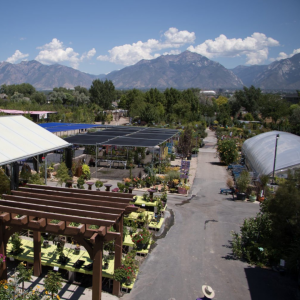 Glover Nursery is one of the oldest and most established nurseries in Northern Utah. Our horticulturists and landscape professionals bring over 200 years of combined experience and expertise to every season.
Our team understands the local soil conditions, weather conditions, watering options, and design needs that shape every planting decision in the Salt Lake Valley. This knowledge shapes the plants we carry, the care we take, the advice we give, and the services we offer.
Every spring, we stock our 10-acre plant nursery with a seasonal selection specifically chosen to thrive in the Wasatch Front.
From trees, conifers, and shrubs, to perennials, annuals, and edibles, all are curated selections for local conditions and are ready to go in the ground at the right time.
Plant & Tree Delivery and Installation Services
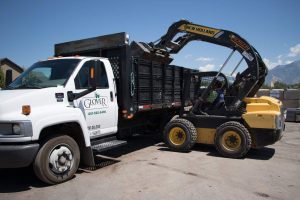
Get your new spring purchases delivered right to your home. Or if you need a little more help, Glover Nursery also offers installation services on trees throughout Northern Utah near the Salt Lake Valley.
Landscape Design and Consultation Services
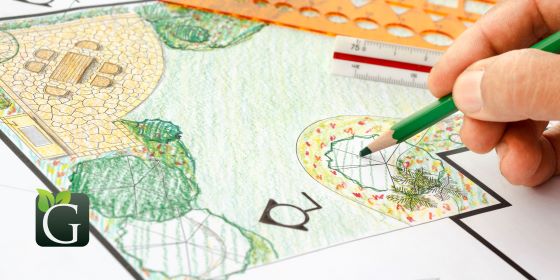
Not sure what to plant this spring or how to arrange it all? Have one of our design experts create a detailed plan for you. Let Glover Nursery turn your yard into a beautiful, functional outdoor space that you will love.
Learn Gardening From Us
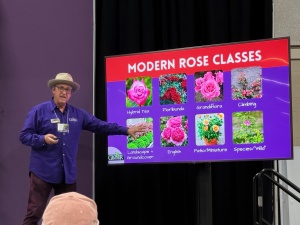
At Glover Nursery, we host free gardening classes covering everything from spring planting through to winter care. Our class offerings are updated regularly, so be sure to check back often.
Learn Gardening With Us
Glover Nursery regularly writes expert articles and plant care guides, designed to help you build a thriving garden all year round. Come see what we’ve added to our knowledge base.
Plan Your Spring Garden Today with Glover Nursery
Ready to pick up some spring plants for your garden? We can’t wait to see you here at Glover Nursery. If you have any gardening-related questions or inquiries along the way, please direct them to any of our staff at the store. We’re happy to help you start the season strong.
Our Spring Hours:
Mondays – Saturdays: 8 am – 6 pm.
Closed Sundays