Spring is right around the corner, and many Utah gardeners are asking the same question… when is the right time to start planting vegetables?
 Traditionally, we all know the best time to plant our veggies is right around Mother’s Day. The average last frost day for Salt Lake Valley falls around the same time, and it makes for an easy-to-remember rule of thumb.
 That being said, it is an ‘average’ which means some years it is earlier and some years it is later.
This year, with the weather being the warmest it has been in decades, flowering trees are already blooming, and the soil temps are warm enough for veggies to get growing. The advice we give for “normal” weather years will be even more necessary to follow if you’re going to start planting early.
Some Things to Consider
So, the answer to “can I plant my veggies now?” is “yes, but with caveats”. We all know spring in Utah is as predictable as, well, spring weather in Utah. It’s hard to know what will be in the coming weeks, we have seen snow fall in June.
But with the consistently high temps happening now and the forecast showing nothing but warm days ahead, we want to give you some helpful guidance if you’re going to get started growing.
In this guide, we’ll walk you through what to plant first, what needs to wait, and how to build a realistic Utah Spring vegetable garden plan that works along the Wasatch Front. Glover Nursery will also include practical tips gardeners can use throughout the season.
Frost Dates in Northern Utah
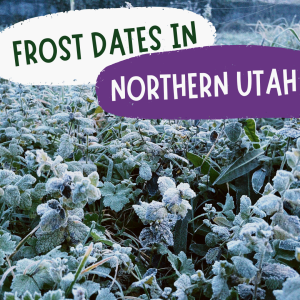
Frost dates are the foundation of your planting schedule. Your average last spring frost tells you when it’s generally safe to plant tender vegetables, while your first fall frost tells you how long your growing season lasts.
Along the Wasatch Front, we’ll typically get about 170-175 frost-free days.
In cities like Salt Lake City, the practical last frost window usually falls in early to mid-May. Further north, Ogden and Layton often trend closer to mid-May, while higher elevations may push even later. That last frost window becomes your anchor for planning the entire season.
Do keep in mind that these are averages – they’re not guarantees. There’s always a chance of frost before or after those dates. A few extra things to keep in mind are areas that might have some microclimates. These could include:
- more sun or more shade due to neighboring trees or fences
- lower spots in the landscape where cold air might settle overnight.
- West-facing and South-facing areas receive more sun and therefore more heat
- Reflected light and heat from windows, landscape rocks or concrete
- Even elevation changes or significant slope in the yard can create microclimates
When you’re planning your garden layout, keeping these in mind will help you to avoid areas that may not be ideal for growing your vegetables.
Cool Season vs Warm Season Vegetables
The easiest way to decide what and when to plant is to divide vegetables into two categories. Not everything belongs in the ground in May! Cool-season vegetables love the early spring weather, while warm-season vegetables need consistent heat.
Cool-season vegetables tolerate light frost and even prefer cooler temperatures. These Utah strong plants include peas, spinach, lettuce, radishes, broccoli, cabbage, carrots, beets, onions, and Swiss chard.
Many of these can be planted in March as soon as the soil is workable. Similarly, planting potatoes earlier in the spring will help them get started growing sooner, giving you a timely harvest 7-8 weeks after planting.
On the other hand, warm-season vegetables need warmer soil and stable nighttime temperatures ideally above 50 degrees to maintain consistent growth patterns.
Planting them too early won’t usually kill them, but it will slow their growth. These tender plants include tomatoes, peppers, beans, corn, cucumbers, squash, pumpkins, melons, and eggplant.
Summer rolls around in June and lasts until August. We won’t cover how to manage your vegetable garden through peak summer heat here. But we do have dedicated seasonal plant guides for the rest of the year.
If you’d like to learn how to care for your plants beyond spring and early summer, we recommend checking them out.
When to Start Planting in Spring
Mid March to Early April – Hardy Vegetables
As soon as the soil dries out and can be worked, you can plant these hardy vegetables:
|
|
|
Peas and spinach often go in around March 15 in lower elevations. If the ground is frozen, wait until it thaws.
Late March to Mid April: Semi-Hardy Vegetables
These vegetables handle cool weather but prefer slightly warmer soil. Plant:
|
|
Carrots and beets are commonly direct-seeded between mid-March and mid-April. Planting early allows harvest before intense summer heat.
Late April to Early May: Tender Vegetables
Around your average last frost date, tender vegetables can be planted. A natural indicator many gardeners use is apple trees in full bloom. This is the best time to plant:
|
|
May to Early June: Very Tender Vegetables
These need warm soil, usually two weeks after the last frost. Soil temperature matters here. Warm-season vegetables need soil near 50degrees to grow well. Planting too early rarely speeds up harvest, unless the soil is warmer as well.
This is the best time to plant these vegetables:
|
|
Planting Calendar: Utah Vegetables
Here’s a table to help visualize the ideal planting times for the abovementioned vegetables. However, we stress that this is only a framework you can work with.
Soil temperature and weather forecasts will ultimately dictate when to start planting vegetables Utah residents can realistically grow each spring.
| Vegetable | Start Indoors | Transplant Outdoors | Direct Sow Outdoors |
| Peas | Late Feb – March | ||
| Spinach | Feb – March | Early April | March – April |
| Lettuce | Feb – March | Late March – April | March – April |
| Carrots | Mid March – April | ||
| Beets | Mid March – April | ||
| Broccoli | Late February | Early – Mid April | |
| Cabbage | Late February | Early – Mid April | |
| Onions | February | Late February – March | |
| Potatoes | Late February – March | ||
| Beans | Late April – May | ||
| Corn | Late April – Mid May | ||
| Cucumbers | Late April – Mid May | ||
| Squash | Late April – Mid May | ||
| Tomatoes | Mid – Late February | Late April – May | |
| Peppers | Mid – Late February | Late April – May | |
| Eggplant | Mid – Late February | Late April – May |
Starting Seeds Indoors vs Direct Sowing
Many warm-season vegetables benefit from indoor starting. Tomatoes, peppers, and eggplants are typically started indoors in mid to late February. They’re transplanted outside in late April or May. If you need help starting seeds indoors, we have an in-depth guide covering that as well
Broccoli, cabbage, and cauliflower can also be started indoors in late February. Transplant them in early to mid-April for strong spring harvests.
Direct sowing works best for vegetables that dislike transplanting. Peas, carrots, radishes, beans, corn, cucumbers, and squash perform well when planted directly outdoors.
Factors That May Affect Planting Time
 By following the planting calendar, Utah vegetables can prosper. However, planting dates aren’t just about when and what to plant. Several factors may also influence when you can safely start. There are five in total:
- Soil Temperature – Warm-season vegetables need warm soil. Even if air temperatures feel pleasant, cold soil slows root development. A soil thermometer should remove all the guesswork. Soil should ideally be around 50 degrees to encourage growth.
- Elevation – Higher elevation areas like neighborhoods in the foothills often warm a couple of weeks later than the lower valley areas of Salt Lake County. Better adjust your schedule accordingly.
- Microclimates – South-facing beds warm faster. Low spots stay colder longer. Areas near pavement or brick walls may retain heat at night.
- Spring Weather Swings – Northern Utah often sees warm April days followed by sudden freezes. Watch forecasts carefully during late April and early May. Have a plan ready to cover your crops when there is a sudden drop in temperature.
Frost cloth is an easy way to cover rows, but for individual plants, a clean bucket covering the plant overnight is an easy way to protect one plant. Be sure to remove the bucket when the sun is back to shining. - Sunlight – Long March shadows can keep soil cooler. By June, those same beds may receive full sun all day.
Can You Plant Vegetables Earlier?
This is a common question we get at the store – yes, it’s possible. If you want to plant earlier, you can help the seeds by controlling their micro-environment for better germination.
Take a frost cloth, also known as a protection blanket, for example. This reusable cloth will protect your veggies from light frost by trapping much-needed warmth around the air of the plants while also allowing airflow around the plants.
A couple more tricks for plant covers overnight during a freeze are:
- clean buckets, turned upside down over the plant
- old bedsheets used as frost cloth
- Lastly, plastic sheets to cover the plants overnight.
Caution on this option: Be very cautious when using plastic, as it cannot stay on during the day as it will have adverse effects on the plants. Additionally, plastic sheeting needs to be supported so it does not directly rest on the plants, as it will cause damage.
Ready to Grow a Veggie Garden?
By now, you should have a clear understanding of when to plant vegetables Utah gardeners rely on each spring. Get the timing right, and you’ll have a bountiful vegetable garden by the time the next season comes around.
If you do encounter a problem while growing your vegetables and are unsure why, the Glover Nursery Diagnostic Team is always happy to assist you. Just fill out our free Plant Diagnosis Form, snap a picture of the affected plant, and send it over to us. As always, happy gardening!