Summary
A guide to attracting pollinating insects and birds to your garden with a variety or flowering plants and best practices.
If you’re looking for plants that attract pollinators to your Utah garden, you’ve come to the right place. From plants that provide a long blooming season to flowers that bloom in the shoulder seasons, there’s sure to be something for every type of gardener (and pollinator!)
The benefits of planting for pollinators
Planting pollinator-friendly plants is an amazing way to support pollinators in your yard. By attracting pollinators with flowering plants, you help support these humble insects and birds, who in turn support a larger local ecosystem. Plus, they provide a number of benefits for our gardens: they help us pollinize our fruits and vegetables, they keep harmful insects in check, and are a key indicator of ecological health in the landscape.
Why is Pollination Important?
Pollination is an essential element for the production of fruits and vegetables in the garden. Insects, including (but not limited to bees and butterflies), feed on the nectar and pollen of flowering plants. As they move from flower to flower, they carry pollen grains, which pollinate those flowers, thus improving the harvest and yield of your fruiting plants. Without pollinating insects, there wouldn’t be anything to harvest!
What are Pollinators?
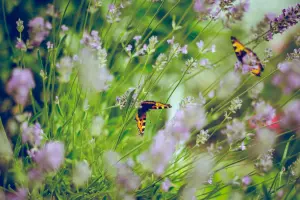
When talking about pollinators in the garden, we tend to think of bees, butterflies and sometimes hummingbirds. But in addition to the many different species of native and non-native bees and butterflies, there are moths, beetles, wasps and even flies that pollinate our plants and fit into the larger natural cycle. In some parts of the world, certain plants are pollinated by bats, land mammals, and even lizards. Many plants that attract pollinators also support beneficial insects like ladybugs and predator wasps.
What do pollinators get from flowers?
Pollinators put in a lot of work buzzing around from flower to flower, but what do they actually get from all that effort? Pollen, of course, is right there in the name, but that’s not the only benefit. While bees and some other insects do feed on pollen, it’s actually flower nectar that is a vital food source for many pollinators.
What flowers provide for pollinators:
- Pollen: A powdery substance created by flowering plants for the purpose of sexual reproduction. Pollinators transfer pollen from flower to flower as they search for nectar.
- Nectar: A sugar-rich liquid secreted by plants. Nectar is a vital source of sugars, carbohydrates and other nutrients for insects and many birds.
- Habitat: Flowering and leafy plants also provide materials for insects to overwinter. Some insects burrow into the stems of herbaceous flowers, while others nest in leaf litter or build nests out of it. Some insects, such as leaf-cutter bees, even take cuttings from leaves to use as nesting material.
How to attract Pollinators to your garden
- Plant a continuous succession of blooms from early Spring through late Fall, with trees, shrubs and perennials.
- Plant a variety of colors and flower types that attract different pollinators. Bees and butterflies like cooler color tones (blues and purples) and open flowers, while hummingbirds prefer tubular flowers with warmer color tones (reds and oranges). Provide water for pollinators, because they get thirsty too! Set out a shallow tray with pebbles for flying insects to land on and drink from.
- Provide nesting spaces like leaf litter or branches for ground nesting insects to overwinter under. You don’t need to leave your whole yard messy, but providing just a small area will greatly benefit your pollinators.
- Avoid using pesticides. Systemic insecticides may target garden pests, but they don’t discriminate when it comes to pollinators.