Summer Gardening Nursery in Utah
Summer gardening in Utah is all about working with the heat! The warm-season crops are in, the spring bloomers are fading, and your garden’s biggest needs right now shift toward water, pest management, and keeping everything healthy through the season.
At Glover Nursery, we help gardeners across the Salt Lake Valley and Northern Utah get the most out of every summer in Utah. On this page, you’ll find guidance on summer garden plants, when to plant them, and how to keep your garden producing from June through September.
We’ll also cover the services, classes, and resources we offer to help you along the way.
Visit Glover Nursery: Your One-Stop Utah Summer Garden Center
Summer is peak season at Glover Nursery, and everything you need for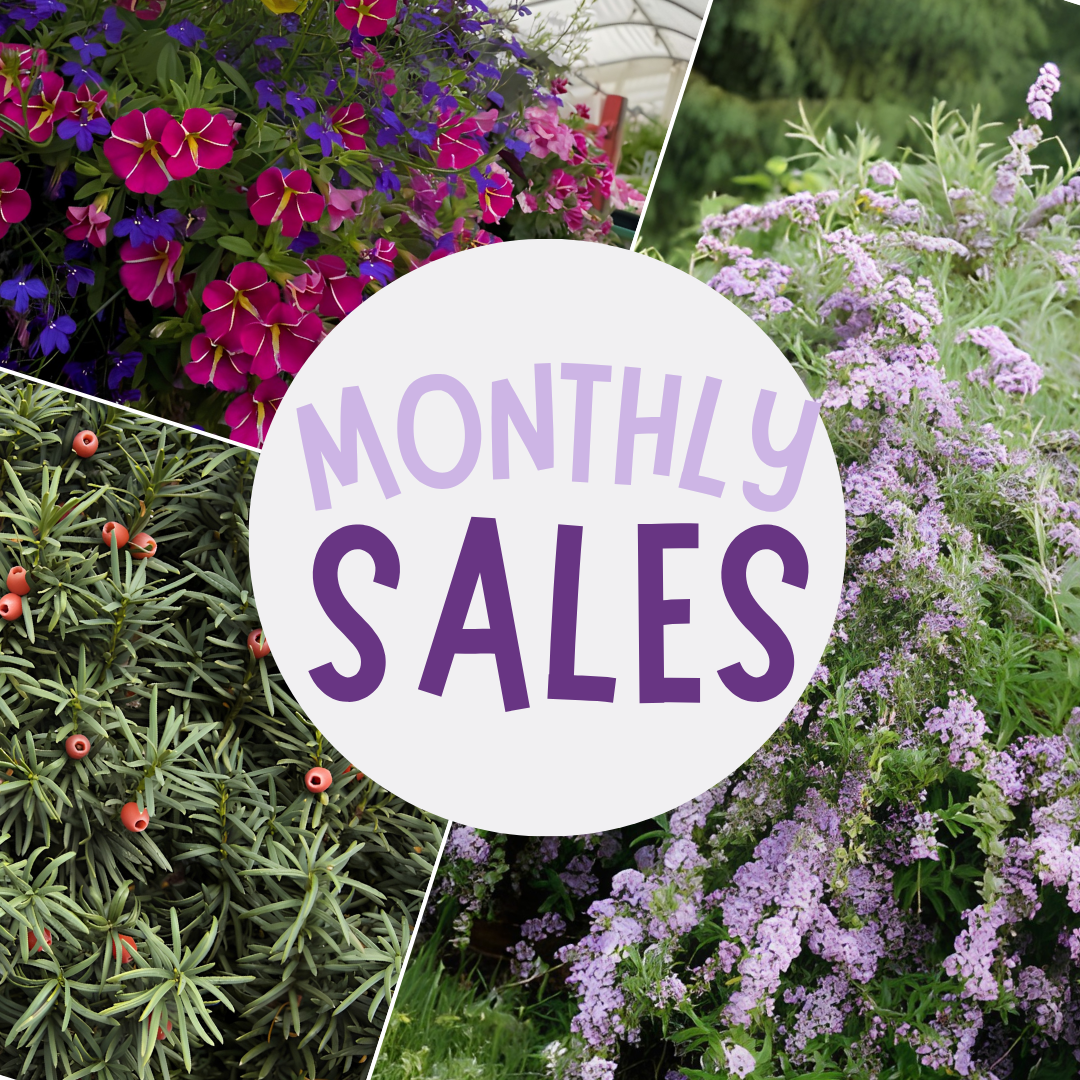 the hottest months of the year is here.
Our 10-acre summer garden nursery in West Jordan is fully stocked with summer-blooming perennials and annuals, shade trees, fruit trees, roses and shrubs.
We carry plants selected specifically for Northern Utah’s summer climate, soils, and water conditions. Fewer surprises and better results in your yard!
Best Plants for Summer Gardening in Utah
Below are some highlights for each category based on what we carry and what we see doing well in local gardens year after year.
These plants, trees, and veggies have been tried and tested in our local conditions. After five generations of growing and selling plants in the Salt Lake Valley, we ought to know what works (and what doesn’t) in Utah!
Best Summer Trees for Utah
Summer is a perfectly fine time to plant trees. In fact, it is one of the best times to plant for shade purposes as you will know exactly where you want that shadow to fall. The only thing you will need to be cautious of, other than keeping yourself hydrated, is keeping your trees hydrated. All trees, regardless of when they are planted need consistent deep watering throughout the first two growing seasons of summer as the roots establish. Newly planted trees need deep soaking two or three times per week during their first growing season and should never rely on sprinklers alone. If you need guidance on establishment watering protocols, here is the guide we put together.
For a broader look at what we recommend, check out our list of 32 of the best trees for Utah. Meanwhile, here are some of our favorites for summer planting:
Fast Growing Trees for Utah
- Princeton Elm and Accolade Elms are two of the most popular trees at the nursery, and for good reason. Not only are they beautiful, they are fast-growing, disease-resistant, insect-resistant, and heat-tolerant.
These trees are tough and can handle all of Utah’s soil and water conditions, including secondary water. Both of these trees have large, vase shaped canopies that will reach up to 50 feet at maturity.
- Zelkova: Often recommended as a hardy tree that can handle challenging conditions and has a relatively fast growth rate. Zelkovas are a popular choice for Utah landscapes. Top sellers include Wireless Zelkova, Green Vase Zelkova, and Village Green Zelkova, each with unique attributes that make this family of trees easy to fit into most landscapes.
The deep green foliage turns a dramatic orange-bronze in fall. All varieties are cold-hardy and quite low-maintenance, once established. - Honeylocust: These trees are a great shade tree option for Utah. They do well in our alkaline soils, drought conditions, salty soils, and even the toughest urban environments. These traits make them an excellent choice for streetscapes and home landscapes alike. Their delicate, fern-like foliage provides filtered shade that keeps your yard cooler while still allowing grass to grow beneath, and their tiny leaves are easy to mulch in lawns—though they can be a bit more challenging to clean from patios and pavers. Fast-growing, hardy, drought-tolerant, salt-tolerant, and easy to transplant – what’s not to love? We recommend selecting either Skyline or Shademaster, both are thornless and seedless varieties.
Heat Resistant Trees for Utah
- Smokebush / Smoke Tree: This unique small tree or large shrub easily handles the summer heat. These beauties put on a fabulous display of flower plumes that look like puffs of smoke which cover the tree in Summer. They come in red, gold, and green-leaf varieties, adding vibrant color and flair during the hottest parts of the year. They do not get very large, which makes them a great addition to a small spot in the yard that could use a hardy plant or for an area under power lines.
Fruit trees can still go in during summer with proper care. If you’re planting one now, follow our tree watering instructions closely and consider using shade cloth for the first few weeks while it establishes. It will help reduce the transpiration process, keeping more moisture in the foliage.
Summer planting does mean a little extra attention, but the sooner you get your tree in the ground the sooner they establish roots and you’ll be a season ahead by next spring.
Best Summer Vegetables for Utah
Summer is prime time for warm-season vegetables in Utah. These are the crops that love heat, long days, and warm soil. If your spring garden is focused on peas, lettuce, and broccoli, this is where the real variety kicks in.
- Tomatoes: These are the stars of the summer garden, but they can be finicky in our climate. If daytime temperatures stay above 90 degrees for extended stretches, the flowers may abort and you won’t see fruit until things cool down in September.
This is called a split set, and it’s common along the Wasatch Front. It’s nothing you’re doing wrong. Shade cloth (30 to 35 percent) can help reduce heat stress during the worst of July and August.
Note: A few things to keep in mind with tomatoes – stop fertilizing once they start flowering. Extra nitrogen at that stage pushes leaf growth instead of fruit.
Tomatoes love consistency. However you water them in spring is how you should keep watering them in summer. Blossom end rot, which looks like a dark sunken spot on the bottom of the fruit, is predominantly caused by uneven watering. To help reduce water evaporation out of the soil, be sure to mulch around the base of the plant.
- Peppers: These veggies do well in Utah summers, though they can also drop flowers in extreme heat. Shade cloth helps peppers too.
- Squash and zucchini: Among the easiest summer crops to grow here. Harvest summer squash when it’s 6 to 8 inches long. Letting them get oversized wastes the plant’s energy and the flavor drops off. One zucchini plant can produce up to 25 pounds of produce! So plant sparingly and be ready to share.
- Cucumbers and corn: These do well through our summer months. Though cucumbers in particular, can turn bitter if they experience too much heat. As is true for many veggies, consistent watering helps. Corn is a heavy feeder and takes up a lot of space as you need to plant many starts, close together to ensure proper pollinating. If you have a small garden, it’s often more practical to buy sweet corn from a local farm stand. But go ahead and plant if you enjoy the process!
- Watermelons and cantaloupes: These perform well, but don’t rush the planting. Research shows that warm-season crops planted when the soil is genuinely warm outperform those planted early.Wait until the soil feels warm to the touch before setting melons out. When the fruit reaches full size, cut back on watering to concentrate the sugars. You can tell a watermelon is ripe when the tendrils near the fruit dry up and the ground spot turns yellow.
For fall harvesting, plant a second round of cool-season crops in late July or August. Lettuce, spinach, peas, carrots, radishes, beets, broccoli, kale, and Swiss chard can all go in for a harvest that stretches into October and sometimes beyond.
One tip from our team: if you’re planting lettuce in summer, start seeds indoors where it’s cooler. Lettuce doesn’t germinate well in hot soil. Transplant the seedlings under the shade of taller plants to keep them from bolting.
Best Summer Flowers for Utah
Summer flower beds in Utah need plants that can handle full sun, heat, and dry air without constant attention. A few Glover team favorites include:
- Daylilies: These are the summer workhorses! They bloom in a wide variety of colors, they’re easy to grow, and they come back stronger each year. They’re also easy to divide and share, so one planting can turn into several over a few seasons.
- Coneflowers (Echinacea): These bloom from midsummer through fall and attract pollinators all season long. We carry dozens of varieties at the nursery in colors ranging from classic purple to deep red and bright orange. They’re drought-tolerant once established and handle Utah’s soils without trouble.
- Gaura: One of the best-performing perennials for Utah summers. Its airy stems are covered in delicate, butterfly-like flowers that bloom continuously from late spring through fall, adding movement and color to the garden for months. Once established, gaura is highly drought tolerant, thrives in Utah’s heat and intense sun, and performs well in a wide range of soil conditions. It attracts bees, butterflies, and other pollinators while requiring very little maintenance. Whether planted in garden beds, borders, or water-wise landscapes, gaura provides long-lasting blooms and a soft, natural look even during the hottest days of summer.
- Salvia: A standout perennial for Utah summers, thriving in full sun, heat, and dry conditions. Its vibrant flower spikes provide months of color from late spring through fall, with many varieties reblooming throughout the season. Once established, salvia is highly water-wise and easy to care for, making it an excellent choice for both traditional and drought-tolerant landscapes. The nectar-rich blooms are a favorite of hummingbirds, bees, and butterflies, helping support a healthy garden ecosystem. When they are done with their first round of blooms, a quick chop of the spent blooms will push another round quite quickly. With its repeat bloom period, heat & drought resilience, and pollinator appeal, salvia delivers reliable beauty even during Utah’s hottest summer days.
- Rose of Sharon: This is a great shrub that blooms in midsummer when many other shrubs have already finished flowering. It keeps a tight, upright form and the flowers are large and showy. We carry over a dozen varieties, including Blue Chiffon, Diana, and Aphrodite. They’re a great way to fill in larger areas of the yard with summer color.
- Butterfly Bush (Buddleia): A staff favorite for its fragrance and the pollinators it attracts. The long flower spikes come in blue, purple, white, pink, and magenta. These are shrubs that fill out anywhere between 2 to 10 feet depending on the variety. Deadhead spent blooms to keep them flowering through the season.
If you’re looking for late-season color that carries through to frost, Asters, Desert Four O’Clocks, Gaillardia (Blanket Flower), and Hardy Hibiscus are all strong performers. Desert Four O’Clocks in particular are a Utah native that blooms abundantly until the cold sets in.
A favorite of many for its tropical vibes, Hardy Hibiscus doesn’t break dormancy until very late in June, but then will start to send out bloom after bloom from July until frost. Once it gets going, the show is worth the wait.
Water-Wise Summer Plants for Utah
For waterwise options, a few of the most popular options include:
- Agastache (Hummingbird Mint)
- Lavender
- Coreopsis
- Upright Sedum
- Helianthemum (Rock Rose)
- Yarrow
- Coneflower
- Globemallow
Check Out Our Full Selection of Waterwise Plants
These are all low-water perennials once established and they bloom through the hottest months. Agastache is particularly popular at Glover Nursery because the hummingbirds visit it constantly and as a Southwest Native, it thrives in our alkaline soils.
We continue to bring in fresh inventory through the end of October, including perennials and annuals throughout the summer, so there’s always something in bloom at the nursery. We recommend stopping by once a month to pick up plants with different bloom windows. That way, your garden has color from June through the first frost.
Our Utah Summer Gardening Services
Summer is a busy season, and sometimes you’ll need a hand. We help Northern Utah gardeners with our services. These services are not only available during the summer, but all throughout the year:
We handle everything they’ll ever need to start a garden, from curation, design, and delivery to digging and planting trees in the ground.
Bulk Delivery Services in Northern Utah
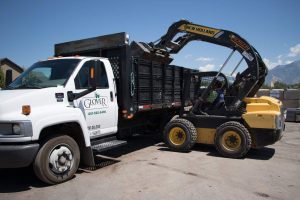
Need a lot of bulk soil, mulch, or rock? We offer delivery of our bulk products. There is a 3 cubic yard minimum purchase and a delivery fee.
Summer Planting and Installation in
Northern Utah
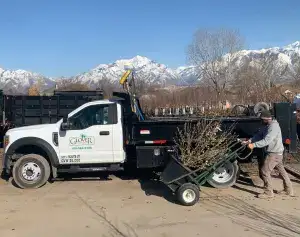
Get your trees, shrubs, and plants delivered right to your driveway, or let our crew handle the planting too. We offer professional installation on trees (5 gallon and larger) and shrubs (7 gallon and larger).
Eligibility for these services start when there is a minimum purchase of $200.
Landscape Design and Consultation around Salt Lake Valley
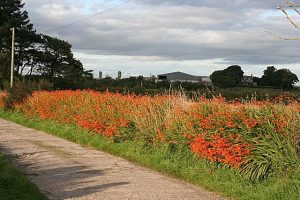
Have your current or future garden designed by an expert. Our design team will come to your home, learn about your specific site conditions and then create a custom plan for your yard.
Consultations are a great option if all you need are plant suggestions for your garden beds. The fee starts at $250 for the first hour and gets you a hand drawn sketch with a plant list, ready to bring into the store.
Full, to-scale landscape plans start at $750 and are a more comprehensive design.
Free On-Site Summer Gardening Classes
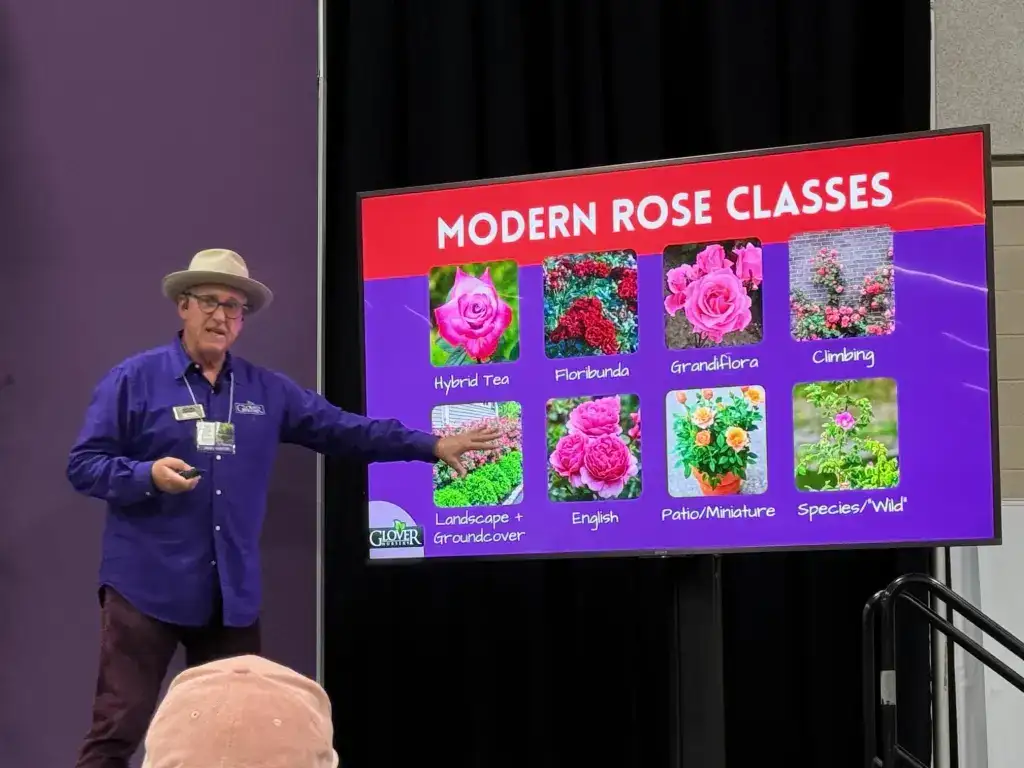
We host free gardening classes and workshops led by professional horticulturists right here at Glover Nursery.
Topics rotate seasonally and are geared to help you achieve success exactly when you need the information to do so. Check our class schedule for what’s coming up!
When Does Summer Gardening in Utah Start?
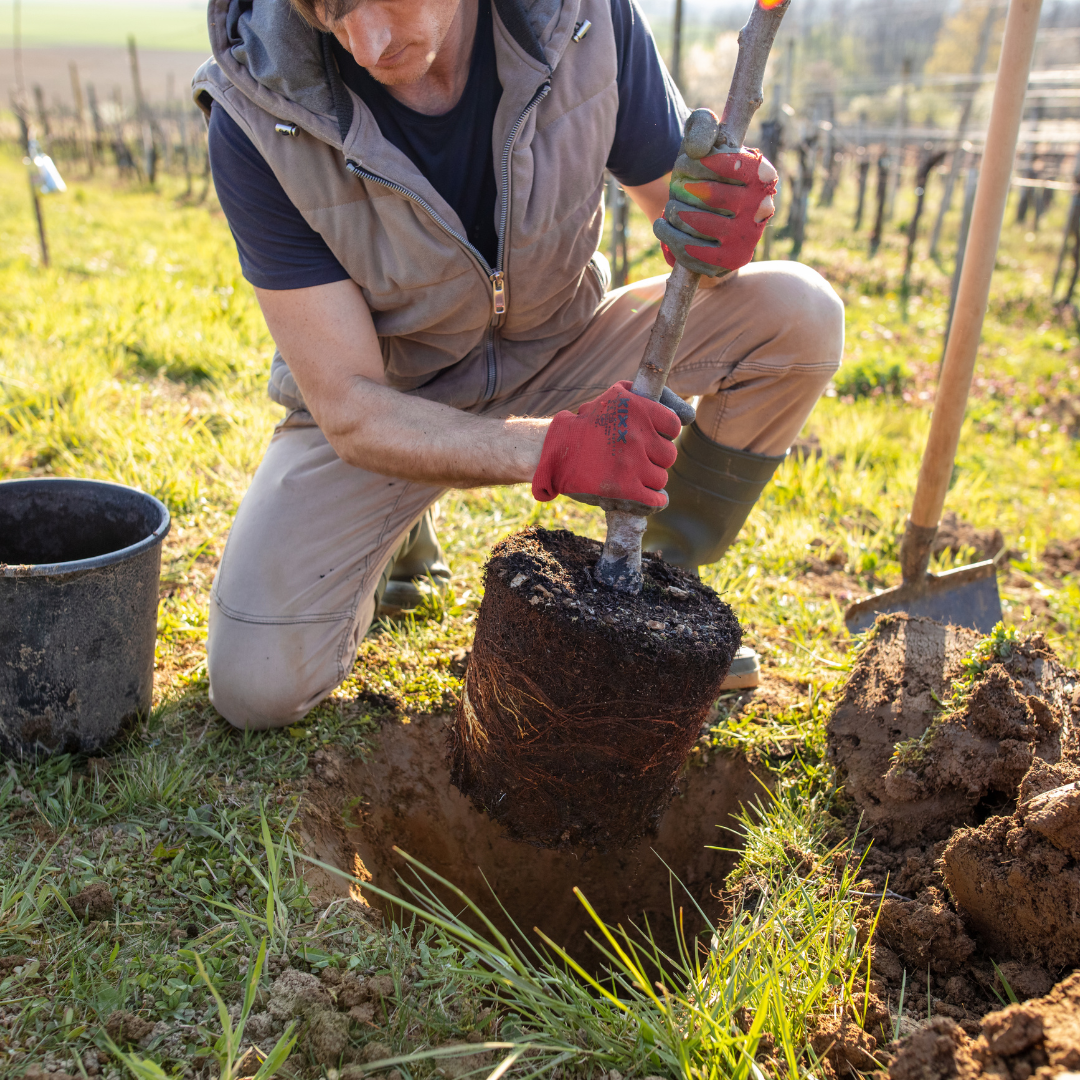 Summer gardening in Utah picks up right where spring leaves off. Once you’re past the average last frost date (which typically falls around Mother’s Day along the Wasatch Front) the warm-season window opens up. That’s when tomatoes, peppers, squash, melons, corn, and beans can safely go in the ground.
But summer gardening isn’t just about getting plants in, or just about growing vegetables. It’s also about keeping your landscape healthy and productive through July and August when the heat is at its peak. Watering, pest management, harvesting, and planning for a bountiful harvest all become part of the routine.
The beginning of June is the last chance to get warm-season crops established, plant annual flowers, and set up shade trees before the height of summer heat arrives. By late July through the end of August, the focus shifts to maintenance, harvests, pest control, and getting cool-season crops started for a fall garden.
When Can You Still Plant in Summer?
A common question we hear at the nursery is whether it’s too late to plant once summer arrives. Nope! As we like to say at Glover Nursery, if you can dig, you can plant!
You can plant trees, shrubs, and perennials throughout the summer as long as you’re prepared to water them properly during establishment. We have a detailed tree watering instructions guide for your perusal.
For vegetables, your options depend on how many frost-free days remain as well as how long it takes for a crop to develop from time of planting. Along the Wasatch Front, gardeners typically have 170 to 175 frost-free days. Warm-season crops planted in the beginning of June still have plenty of time to develop.
By mid-July, focus on crops with shorter maturity windows. Bush beans (55 days), summer squash (40 to 60 days), and cucumbers (50 to 70 days) can still make it.
Starting in late July and August, you can also plant cool-season crops for a fall harvest. Peas, lettuce, spinach, radishes, beets, kale, broccoli, and cabbage all do well when planted in late summer for harvest before the first hard freeze.
USU Extension notes that vegetables maturing in autumn’s bright days and cool nights are typically milder and sweeter than those that mature in summer heat.
And, it is helpful to know that many, if not all, vegetable plants will slow their production when temperatures reach over 95 degrees. Many people find setting up a 30% shade cloth helps to reduce ambient air temperatures around plants while still allowing enough sunlight for fruit and veggie production.
What About Seed Starting in Summer?
Most summer seed starting happens directly in the ground rather than indoors. Warm-season crops like beans, corn, cucumbers, and squash germinate quickly in warm soil and can be direct sown after the frost date passes.
If you’re starting fall crops in late summer, you can start broccoli, cabbage, and cauliflower transplants indoors in July. Transplant them outside in August for a head start. Otherwise, most late-summer plantings go straight into the garden.
We carry both seeds and vegetable starts at the nursery, though the largest inventory selection is available in May, we will still have plenty to choose from in June for summer planting. If you’ve missed the direct-sowing window for a crop, you can often find veggie starts ready to go.
Summer Gardening Tips for Utah
Glover Nursery has been Salt Lake Valley residents’ go-to summer nursery for 5 generations. And in that time we’ve accumulated a bunch of gardening tips for working in our climate’s unique growing conditions. Here’s a few of our favorite summer gardening tips for Utahns to help you and your garden thrive in the heat of summer.
Summer Watering Tips for Utah Gardens
Water deeply and less often. Most people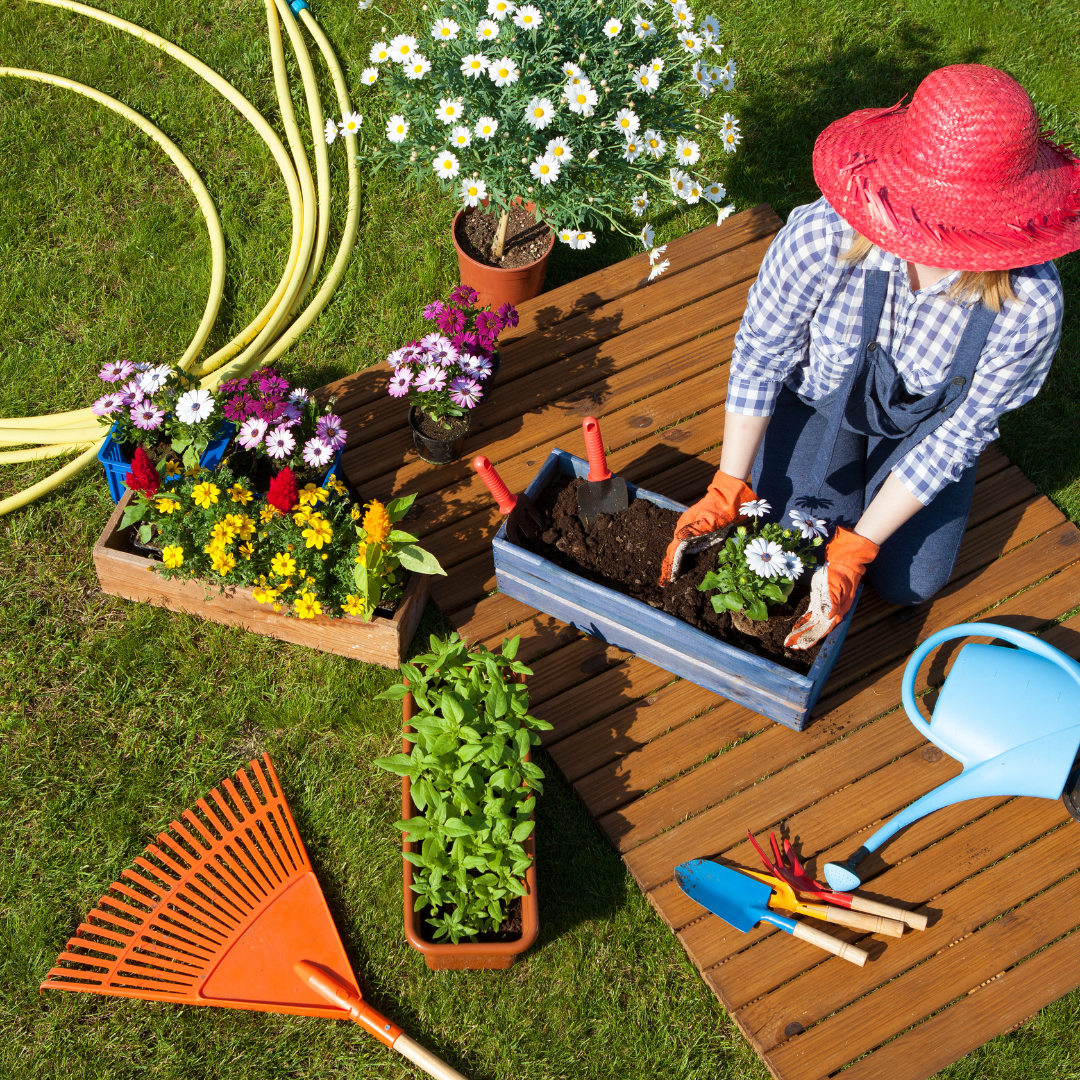 overwater their gardens. The goal is to soak the entire root zone, all the way down into the soil, and then let the soil dry before watering again.
For most vegetables, that means every five to seven days. Shallow-rooted crops like lettuce and onions need water every three to five days.
Water early in the morning to reduce evaporation. If you’re not sure whether your plants need water, dig down two to three inches to feel how moist the soil is.
If the soil is still damp, wait and watch the heat. When temperatures climb above 90 degrees, some crops slow down or stop producing. Tomato and pepper flowers may drop. Lettuce will bolt.
Shade cloth can buy you a few extra weeks on heat-sensitive plants. Even a 30 percent shade cloth makes a noticeable difference.
Note: If you don’t find what you’re looking for here, we invite you to take a look at our Utah Summer Gardening Tips page.
Summer Tips to Keep the Pests Off Your Garden
Spider mites are one of the most common summer pests we see in Northern Utah. These pests cause a bronzing on leaves called mite burn. To find them, try flicking a branch onto white paper and look for moving specks. If you do find them, a hard spray of water can knock them back. If the infestation is quite severe, we have a wide variety of both traditional and organic products available to help solve the problem.
Squash bugs are another major problem. Check the undersides of leaves regularly and remove eggs before they hatch.
Codling moths go after apples and pears, a lot of people have taken to bagging the small fruit to prevent the worms from entering. You can also use organic treatments, like Spinosad, to help eliminate the problem.
Summer Mulching Tips
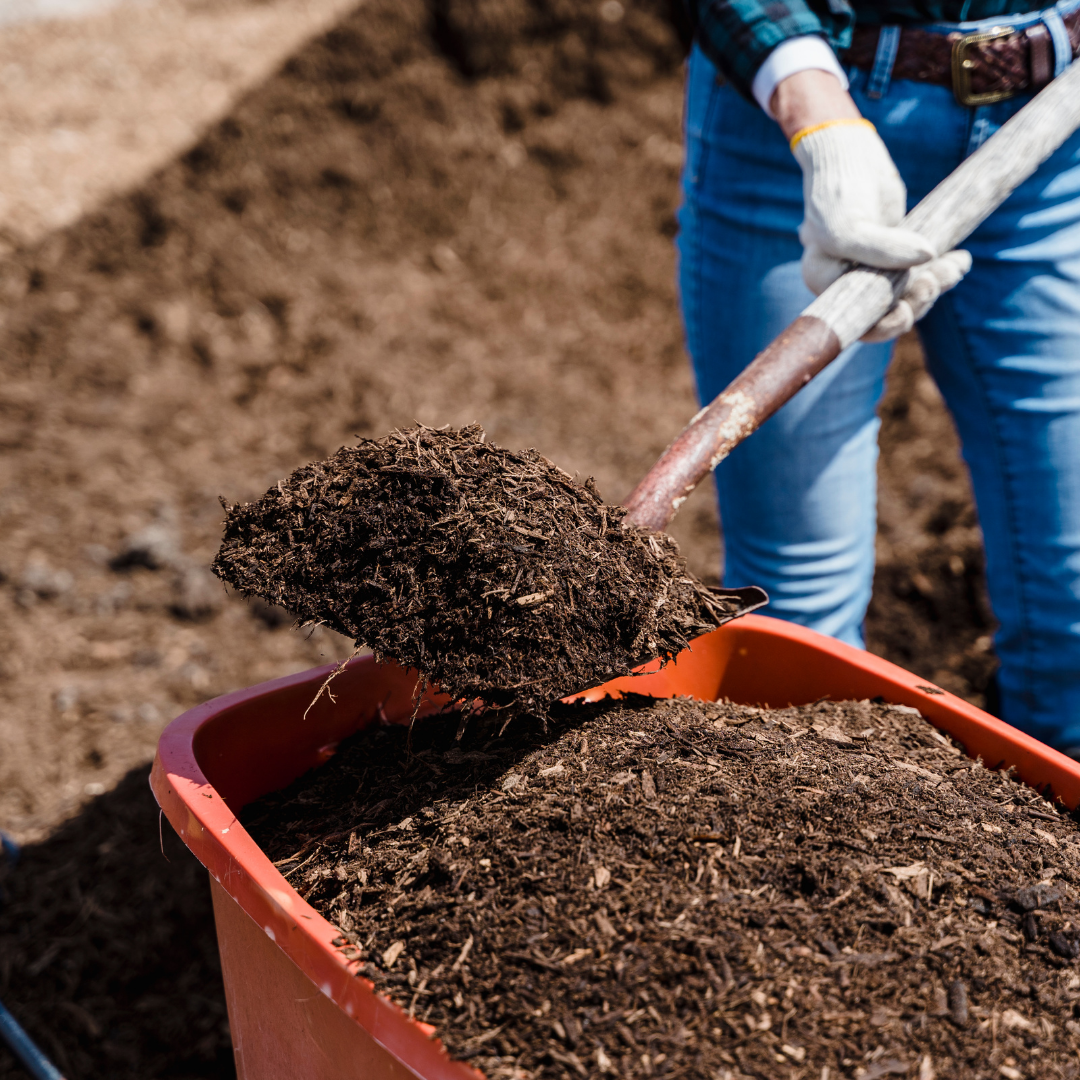 A thick layer of bark mulch, compost, or soil pep (3-4 inches) helps hold moisture in the soil, keeps roots cooler, and reduces weeds. Organic mulch options also break down over time and can help improve soil structure.
For compost, add 2-3 inches every year. Compost improves drainage in clay soil, helps sandy soil hold moisture, and feeds the microbes that support long-term plant health.
Lastly, deadhead and harvest regularly! Keeping spent blooms off your annuals and perennials encourages more flowers. Harvesting vegetables regularly keeps plants productive. Beans, in particular, benefit from frequent picking.
Note: If you use herbicide, don’t spray in extreme heat! Many herbicide products will volatilize when temperatures exceed 85 degrees. That means the spray drifts and you will lose control of where it goes. A good alternative is to pull weeds by hand on hot days and save the sprayer for cooler weather.
Visiting Glover Nursery for Utah Summer Gardening
Glover Nursery is one of the oldest and most established nurseries in Northern Utah. Our horticulturists and landscape professionals bring over 200 years of combined experience to every season.
Our expert gardening team understands the local soil conditions, weather patterns, watering challenges, and design needs that shape every planting decision in the Salt Lake Valley. This knowledge shapes the plants we carry, the advice we give, and the services we offer.
Every summer, we keep our 10-acre nursery stocked with seasonal inventory chosen specifically for the Wasatch Front. From shade trees and fruit trees to perennials, annuals, vegetables, and herbs, everything is selected for local conditions and ready to go in the ground.
Plan Your Summer Garden Today with Glover Nursery
Ready to plant or maintain a beautiful garden this summer? Stop by Glover Nursery today!
Get tailored advice and healthy plants to keep your garden productive through the heat. If you have any questions along the way, our staff is always happy to help.
Our Summer Hours:
Mondays – Saturdays: 8 am – 6 pm.
Closed Sundays