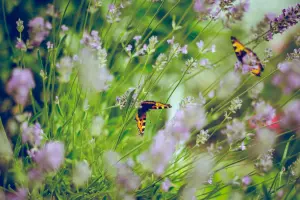
One of the best performing plants in Utah gardens is Lavender. Native to dry sites in the Mediterranean region, lavender is a hardy, drought-tolerant plant that’s been a gardener’s favorite for generations. There are many different types and cultivars of lavender out there, so let’s break down some of the many varieties and their differences.
Lavender – A Gardener’s Favorite
Lavenders are a large genus of plants in the Mint Family Lamiaceae. They are related to many culinary herbs such as basil, mint, oregano, sage, and thyme, as well as other fragrant ornamental plants including bee balm, cat mint, and salvia. The name lavender comes from the Latin root lavo, meaning to wash, and it’s been widely used for millennia for its fragrant properties. In terms of garden habits, lavender plants are classified as “sub-shrubs,” meaning that their older basal branches get woody over time and flower spikes form off of those branches each year.
The main species of garden variety lavender you’d find in nurseries are as follows:
- English Lavender (Lavandula angustifolia)
- Lavandin Hybrid Lavender (Lavandula x intermedia)
- Spanish Lavender (Lavandula stoechas)
- French Lavender (Lavandula dentata)
English Lavender
Botanical name: Lavandula angustifolia
English lavender is a common garden lavender and a hardy species that’s reliable for Utah. Though commonly known as English lavender and often called French lavender, this species is native to the Mediterranean basin. English lavenders are smaller and have greener leaves than their hybrid counterparts, Lavandin.
Common English Lavender cultivars:
- Aromatico Blue Imp (14″-20″)
- Hidcote (12”-24″)
- Munstead (12″-18″)
- Platinum Blonde (12″-24″)
- SuperBlue (10″-12″)
- Sweet Romance (12″-18″)
- Thumbelina Leigh (12″-18″)
- Vintro Forte Blue (14”-18”)
- Wee One (10″)
Lavandin Hybrid Lavender
Botanical name: Lavandula x intermedia
Lavender plants with a more dusty silver hue are hybrids of English lavender and another species: Lavandula latifolia. These hybrids are generally larger than English varieties, with more intensely fragrant leaves and better heat and drought tolerance. Along with English lavender, they are very common in the nursery industry with many available varieties.
Common Lavandin cultivars:
- Alba White (24″)
- Grosso (24″-30″)
- Gros Bleu (24″-36″)
- Hidcote Giant (24″-36″)
- Impress Purple (24″-36″)
- Phenomenal (24″-36″)
- Provence (20″-24″)
- Sensational! (24″-36″)
Spanish Lavender
Botanical name: Lavandula stoechas
Spanish lavenders are a species of Lavender whose flowers have distinct feathery winged bracts. Traditionally, these varieties have been sold as potted container annuals, but there are some newly developed hardy perennial varieties that we carry.
Hardy Spanish Lavender varieties:
- Anouk Series
- Javelin Series
French Lavender
Botanical name: Lavandula dentata
Although many varieties of Lavender are called “French Lavender” or have French names like Hidcote or Provence, true French Lavender is the Mediterranean species Lavandula dentata. These lavenders have distinct, serrated leaves and winged bracts atop their flowers. These varieties are only hardy to Zone 8 and are sold as annuals, often alongside other annual herbs.
Care for Lavender Plants
Lavenders are resilient plants that are relatively easy to care for. They tolerate heat and drought, though they prefer regular, but not excessive, supplemental water. One bonus for Utah gardeners is that they are one of the few plants that actually prefer our higher pH, alkaline soils—not many do!
Sun Exposure: Full Sun
Soil Tolerance: Alkaline, Clay, Sand, Loam, Well-Draining
Water: Deep, infrequent watering. Secondary Water Tolerant
Pruning Lavender Plants
Pruning your lavender plants helps keep them healthy and tidy. Each species of lavender should be pruned at the right time, though.
Pruning English Lavender
- Prune right after the first flowering in Spring and again in late August after the last flush has faded.
- Cut off about 2/3 of the plant’s height or to just above the bottom two sets of leaves on each stem.
- Twice-a-year pruning will keep them healthy and compact.
Pruning Lavandin Hybrids
- Prune in late August after they’ve finished blooming.
- Cut back by about 1/2 of the height of the plant leaving plenty of green leaves intact.
- Aim for a tidy, rounded mound of foliage (that looks good in winter, too).
Pruning Spanish/French (Winged) Lavender
- Give them a trim after the first flush of flowers has faded.
- Do not cut them back hard as with other kinds of lavenders (it can kill them).
- Deadhead for the rest of the season.