An important element of Fruit Tree Care is preventing and managing pests and diseases. There’s nothing more disappointing when growing your own fruit than an insect eating away at your hard work in the orchard, or a fungus ruining your entire harvest. Keeping your trees healthy and productive may require routine applications to manage these problems. This comprehensive guide will help you understand when and how to spray your Fruit Trees for optimal results.
When should you spray your Fruit Trees?
The first step to disease and pest prevention for your home orchard is understanding the stage of growth and dormancy of your fruit trees. The right product at the right time can prevent issues from arising later in the season. But improper timing can be a waste of product and money, and potentially cause further unintended damage.
Understanding the Fruit Tree Growth Cycle
Though different types of Fruit & Nut Trees will be on slightly different schedules, they will all go through the following yearly cycle of growth. This cycle is also dependent on temperature and daylight hours, which determine when trees are actively growing vs when they are dormant.
Dormant Period: Deciduous trees go dormant in the late Fall and Winter months. This is after a tree’s leaves have fallen off and bare stems and branches remain with no signs of growth. Pests and disease pathogens often overwinter in, on, or around your trees, so during a tree’s dormancy is the most ideal time to control them. That way they don’t cause issues later on in the season.
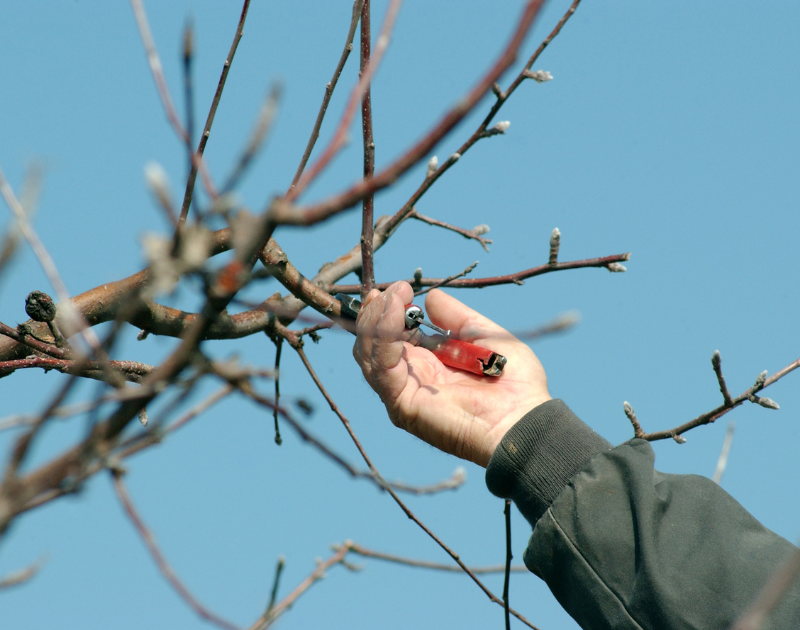
Bud Swell: When temperatures start to warm up in late Winter/early Spring, flower buds begin to transition from their dormant state and swell. This signals that a plant is awakening from dormancy. This stage is critical for proper fruit tree care. Now is the ideal time to prune and use Dormant Oil and Copper Fungicide.
Read more: How to Prune Fruit Trees for a Healthy Harvest
Bud Break: The next stage of development is when flowering buds “break” open and a plant begins to push out new green growth. At this stage, it is too late to apply Dormant Oil, which can damage the opening buds and reduce fruit set. If a harsh late frost occurs after the bud break stage, you may need to cover your tree to prevent frost damage, which may cause reduced fruit set.
Bloom Stage: After buds break, they then pop open to produce flowers. This is colloquially referred to as “popcorn popping” on a tree. Now is the time of pollination, either by bees and other insects or wind. After flowers emerge, it is not recommended to use Dormant Oil.
Fruit Set: Once a tree’s flowers are open and pollinated, fruits will begin to develop. Thinning, or picking off over-crowded flowers and fruits, is done to avoid overcrowding and allow for selective growth.
Harvest: The final stage of fruiting is the harvest period, when your fruit is ready to be picked off the tree. Generally, cherries and apricots are the first tree fruits of the season in early Summer, followed by plums, peaches, nectarines in mid Summer and apples and pears starting in late Summer and into the Fall.
Going Dormant: After you have harvested your fruits and the growing season has ended, you’ll want to plan for your tree’s dormancy. Once leaves have fallen off of your trees in the fall, you can apply another round of Dormant or Horticultural Oil.
What do Chill Hours mean for Fruit Trees?
You’ll see the terms “Chill Hours” or “Chill Time” listed on certain fruit tree varieties. This refers to the amount of time below 45°F that a tree requires before being able to produce fruit. In Northern Utah, getting enough chill hours isn’t an issue as we always receive enough for all of our favorite orchard fruits. Certain cultivars bred for warmer climates, though, may boast very low chill hours, which could mean early bud break and frost damage in colder climates like ours.
What products should you use on your Fruit Trees?
When it comes to fruit tree care, instead of waiting for problems to manifest themselves, it is wise to apply preventative measures to stop a problem before it starts. Often, this involves timely application of two kinds of products – oils and copper fungicides. Both are used for controlling overwintering insects and diseases on Fruit & Ornamental Trees and Shrubs.
Pest and disease control can include a variety of methods that are not limited to simply applying chemical products, though the strategic use of these chemicals could yield effective results.
Pesticides: Chemicals used to control pests, usually insects at various stages of life, from larvae to adult stages.
Fungicides: Types of pesticides used to kill, prevent, or inhibit the growth of fungi and their spores.
Miticides: Specialize pesticides used to kill, control or repel mites and ticks.
Organic Pest Controls: There are also a number of organic options for pest and disease control.
The Label is the Law
When using any chemicals or fertilizers in the garden, either organic or inorganic, always read the instructions and follow the recommended use for each product.
Dormant and Horticultural Oils
Both of these products are typically made from refined mineral oil, though some horticultural oils are made with canola oil. Both are used as a way to control insects by blanketing the tree tissue and suffocating eggs and larvae. They may also have some efficacy with surface fungus.
- Dormant Oils: These oils are not as refined and so are thicker (though still very liquid – not like syrup at all). Because of this thickness, they are used only during the cooler parts of the season where the sun is not as direct and apt to refract through the oil, resulting in burning. That means only in early spring or late fall. Most insect populations overwintering on tree branches, usually in egg form, can be treated with dormant oil.
- Horticultural Oils: These oils are more refined than dormants and so have a lighter consistency. This means they are more safely used during the warmer months when light shines more directly onto plants. These can be used all season long for insect control and have a limited effect on surface fungal growth.
Organic Products
For organic fruit tree care, Neem Oils and Spinosad Soap can be used throughout the season and while fruit is present on your trees. Though they are organic, they must be washed off before eating.
- Neem Oil: Unlike Horticultural Oils, Neem is a non-petroleum product derived from the fruit of the tropical Neem Tree. Neem Oil can be used on a variety of plants and applied similarly to Horticultural Oils throughout the growing season. Neem Oil smothers insects on contact.
- Spinosad Soap: An insecticidal soap made of spinosad, a soil bacteria byproduct of sugarcane production, and potassium salts. This soap also smothers live insects on contact.
Copper Fungicide
Though horticultural oils can be used for fungus control, it is better to use actual fungicides as a remedy. Chemical fungicides can be applied, but the use of copper fungicide is more common around food crops like backyard fruit. Copper acts to prevent fungal spores from germinating, but it won’t have any effect on fungal problems already manifesting. That means it’s best used during the late fall after leaf drop and again in early spring, before leaves return. Copper is typically applied as a dust or in a water solution.
All-In-One / Combination / Products
There are also a variety of products that combine various pesticides with fungicides. They may even contain other chemicals or fertilizers, and come as a spray or soil drench. With any combined product be sure to carefully read the label and instructions and understand what all is in the product.
Targeted Pesticides
If you’ve identified a more specific issue with your plants, there may be a specific chemical product that you can use to target that particular pest or disease.
Identifying Problems with Fruit Trees
In addition to proper pruning techniques, identifying signs of pests and disease is an important part of fruit tree care and ensuring long term health and productivity. Utah’s generally dry weather means we don’t have to deal with many of the problems other, more humid areas have to cope with, but there are a few issues backyard orchardists need to watch out for.
Peach Tree Borer: As the name suggests, the larvae of this native moth (Synanthedon exitiosa) can do serious damage to peaches but can also affect any of their close relatives, including nectarines, cherries, plums, apricots, and almonds. The moth lays its eggs either at soil level or an inch or two below ground right up against the tree trunk. Upon hatching, the larvae will tunnel its way into the bark of the trunk and root crown, boring holes into the tissue underneath which could kill younger trees by cutting off the vascular connection between the top of the tree and its roots. Savvy orchardists know to look for the signs of borer infestation: dark reddish brown jelly oozing out of the entrance wound at soil level that is flecked with sawdust.
Shot Hole Fungus: Another name that speaks for itself, this fungal outbreak primarily affects the foliage of cherries, peaches, and nectarines, causing circular lesions to develop that eventually form tiny holes as if caused by pellet shot. Though this is often just a cosmetic problem, if left unresolved, it could affect the tree’s ability to effectively photosynthesize or move to the fruit to form scabs on the surface.
Gummosis: This is an oozing of sap from wounds or cankers on stone fruit trees, as well as from the crotches where branches attach to the tree trunk. While this is technically caused by a fungal infection, the real reason is the tree’s overall health is compromised, either due to mechanical damage or environmental stress.
Coddling Moth: Apples are the primary hosts for this native moth (Cydia pomonella), though pears can also be affected. The moth lays its eggs on developing fruit in early summer which hatch and burrow into the core to feed on the seeds. The damage is easy to spot: crusty brown holes develop on the surface and at the base of the stem and when cut open, the tunnels are soft and discolored.
Western Cherry Fruit Fly: This native fly (Rhagoletis indifferens) lays eggs on developing cherries just as they’re turning pinkish in early summer. The larvae then burrows into the fruit to feed and tunnels back out 2 to 3 weeks later. Damage is obvious: usually a single small hole in the fruit and discolored tissue inside.
How to care for fruit trees in Winter?
Winter is a dormant season for all of northern Utah’s backyard orchards, a time where plants can rest before the busy – and very taxing – season of blooming and fruiting. However, trees can still be vulnerable to winter exposure. A few simple tasks should be added to your winter to-do list for your proper Fruit Tree care
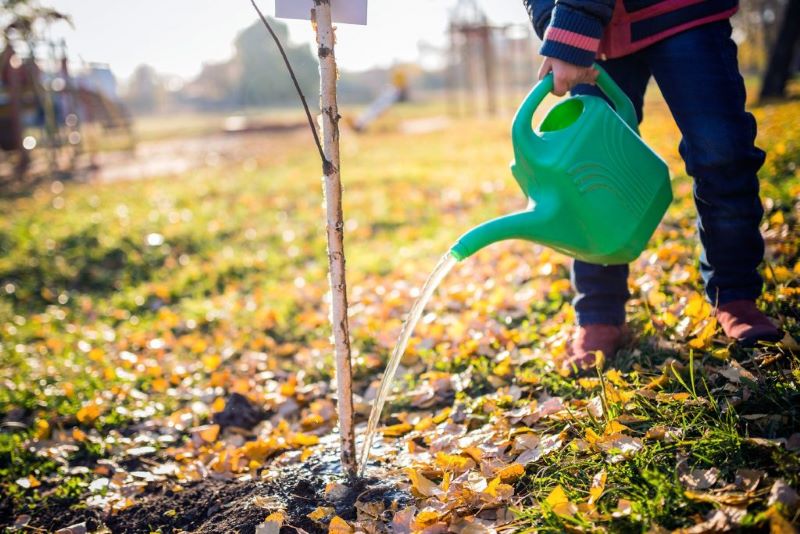
Winter watering: Utah is the second driest state in the country, and these conditions influence our winter weather as well. Winters can be notoriously dry and decently cold, which together can conspire to severely damage or kill fruit trees, particularly those that are recently planted. A monthly regime of winter watering can be an essential hedge against these conditions, timed with the holidays for easy reference: Halloween, Thanksgiving, New Year’s, MLK Day, Valentine’s Day, St Patrick’s Day, and Easter.
Taping up the trunk: Newly planted trees have only a thin layer of bark protecting their trunks and it takes years for thicker bark to develop. Winter sunlight, coming from the southwest on winter afternoons, can heat up the trunk only to freeze it up again later that night. This can cause cracking up and down the trunk that can have serious consequences for a tree’s health. Wrapping trunks in the winter with white reflective tree tape can act like a sunscreen and mitigate these effects.