
Perennials bring lasting beauty and structure to your garden, returning year after year with the right care. Once established, they become dependable, long-term additions to your landscape—often growing fuller and more impressive with each passing season.
Finding perennial plants for Utah gardens that are suited to our local conditions is key to long-term success. Northern Utah’s alkaline soils, dry summers, cold winters, and changing weather can be challenging, but many perennials thrive here when planted in the right location and given appropriate care. Across Northern Utah’s USDA Zones 4–7, there are excellent options for nearly every garden, from sunny, water-wise beds to shady corners and pollinator-friendly spaces.
Some perennials, like peonies, can thrive in the same spot for decades, becoming more impressive with age. At Glover Nursery, we carry perennials selected for Northern Utah’s growing conditions, along with the knowledge to help you choose varieties that fit your landscape.
Whether you’re looking for sun-loving flowers, shade-tolerant favorites, Utah native plants, drought-tolerant varieties, or plants that are less appealing to deer and other wildlife, this guide will help you find the right perennials for your garden.
Looking for some perennials to take home? Grab a few at Glover Nursery! Call us at (801) 562-5496 to check what’s currently in stock.
March – October
Mon-Sat
8 AM – 6PM
Hours change seasonally so make sure you check before your trip.

Visit Glover Nursery
Explore Perennials
Call us to check inventory
Best Perennials for Utah Gardens
If you ask a gardening expert what their favorite perennial is, get ready to sit back and listen for a while. It is impossible to pick just one. In fact, it is impossible to pick just 10!
But to help you get started, the perennials for Utah listed below are varieties we suggest first, as they’re easy to establish and make excellent choices for easy care in most gardens along the Wasatch Front.
Coneflower
Coneflower (Echinacea) is one of the most reliable perennial flowers Utah gardeners can grow. We carry dozens of varieties in all colors of the rainbow, including dual tones, changing colors, and even pure white.
Varieties grow between 1-4 feet tall and wide, so if you’re looking to fit a specific area, be sure to check the variety tag. Coneflowers thrive in full sun, handle drought well once established, and attract pollinators once they start blooming in late summer months.
Lavender
Lavender (Lavandula) is a large family of perennials that do well in Utah’s heat and dry air. Lavender loves full sun, hates wet feet, and pulls double duty by repelling pests while drawing in bees and butterflies.
Popular English varieties like Hidcote and Munstead are cold-hardy to Zone 5 and grow up to 2 feet tall. Other varieties, such as Hidcote Giant or Sensational, can grow up to 3’ tall. You can learn more about the many varieties of Lavender here.
Daylily
Daylily (Hemerocallis) are a go-to for gardeners who want color without fuss. Beautiful flowers protrude on long stems above long-bladed grass foliage. They come in a variety of colors, with dwarf species reaching between 12-18 inches and standard species growing as tall as 4 feet.
The many options available make them versatile options for both small and large areas. They also handle full sun to part shade, tolerate a wide range of soils, and bloom reliably through summer.
Penstemon
Penstemon (Penstemon) is a massive family of perennials and a standout among Utah’s signature native plants. With over 100 species native to Utah, there is a Penstemon for every garden.
As they can be found natively all over the state, it is important to check the tag for any specific variety you are interested in, as the different native varieties might require slightly different growing conditions.
With that being said, all varieties prefer full sun and less water once the roots are established. Some varieties, though not all, are xeric and will be great additions to that style of landscape.
Penstemons are known for their tubular flowers and are a favorite of hummingbirds and Utah-native bees.
Peony
Peony (Paeonia) are long-lived classics that have been known to bloom for up to 100 years! There are 3 types of peonies: Herbaceous, Itoh, and Tree. You can learn more about the different types of Peonies here.
Herbaceous types are the most common; they are also known as “Garden Peonies”. Itoh are the most popular; they are a hybrid of Herbaceous and Tree forms with stronger stems, phenomenal flowers, and a longer blooming season.
Tree peonies are notoriously difficult to find from growers, though if you are able to snag one during the course of a season, you will be rewarded with truly spectacular blooms on hardy wood structure.
They do well in full sun to part shade, but for optimal blossoms, they do need at least 6 hours of sunlight. Peonies are exceptionally hardy and can easily handle all the varying conditions in Northern Utah gardens.
Hosta
Hosta (Hosta) makes up a massive category of shade-loving perennials. There are dozens of varieties with mature sizes ranging from a short 6 inches to over 4 feet tall.
The almost tropical-looking foliage comes in shades of blue, green, gold, and variegated patterns. While they do get tall stalks with delicate purple blossoms, they are generally planted for their foliage.
Hostas prefer part shade to full shade and are low maintenance, though deer will happily munch on them, so we recommend you consider the local deer visitations in your landscape before selecting them for your garden.
Black-Eyed Susan
Black-Eyed Susan (Rudbeckia) blooms from midsummer through fall. While they are most commonly known to have bright yellow flowers with dark red centers, there are a number of varieties that will offer similar colors in different patterns on the flowers.
Plants grow 2 to 3 feet tall in full sun to part sun and are excellent “easy care” perennials which can handle a wide variety of growing conditions.. They pair nicely with coneflowers and ornamental grasses in mixed beds.
Catmint
Catmint (Nepeta) is another popular family of perennials. All varieties of Catmint produce lavender-blue flowers from spring through summer and rebound fast after a hard cut. Plants grow 1 to 3 feet depending on variety, all in full sun. They’re deer-resistant, rabbit-resistant, and need very little water once the roots are established. .
Coral Bells
Coral Bells (Heuchera) is a garden favorite due to its gorgeous foliage. Leaf colors range from deep purple to silver to bright lime, and the plants grow 12 to 18 inches tall in part shade to full shade. The delicate flowers are a bonus, but the real value is the vibrant, luxurious foliage that adds beautiful color and texture throughout the growing season.
Stonecrop
Stonecrop (Sedum) ) are tough enough for the hottest, driest spot in your yard. Ground-cover types grow 2 to 8 inches, while upright varieties like Autumn Joy reach 18 to 24 inches and are covered with pink blossoms starting late summer through fall. They store water in their fleshy leaves, thrive in full sun, and need little maintenance once established.
Blanket Flower
Blanket Flower (Gaillardia) blooms from early summer through fall in bold reds, oranges, and yellows. Plants grow 1 to 2 feet tall in full sun, and they’re drought-tolerant enough to thrive in poor soil. Pollinators love them, which also makes them a solid choice for xeriscaping.
Hardy Hibiscus
Hardy Hibiscus (Hibiscus moscheutos) produces dinner-plate-sized flowers in pinks, reds, and whites. Plants grow 3 to 4 feet tall in full sun to part shade and are hardy to minus 20 degrees, hence the name.
They’re one of the last perennials to emerge in spring, so don’t give up on them even if the wintered over stems don’t show signs of life. They will start to emerge in June, and will very quickly grow into their mature size.
Yarrow
Yarrow (Achillea) is a durable, long-blooming perennial with finely textured, fern-like foliage and broad, flat clusters of flowers in shades of yellow, red, pink, and white. Achillea grows between 1 to 3 feet tall in full sun, depending on the variety.
Yarrow is exceptionally adaptable, thriving in dry conditions and poor soils while offering excellent resistance to deer. Its resilience makes it an excellent choice for challenging areas of the landscape where other plants may struggle.
Russian Sage
Russian Sage (Salvia yangii, formerly Perovskia atriplicifolia) brings height, airy texture, and a soft wash of purple to the summer landscape. Growing 3 to 4 feet tall in full sun, it is exceptionally drought tolerant, deer resistant, and remarkably easy to maintain. Cut plants back in early spring to encourage fresh, vigorous growth, and they will quickly develop into a full, flowering display by summer.
Perennials by Sun Exposure
There are many types of perennials, but how much sunlight a spot gets is the quickest way to narrow down which ones will work in your yard:
- Full sun means six or more hours of direct light
- Part shade means four to six hours
- Full shade means four hours or less
You can always check the plant tag for sun requirements, and keep in mind that “full sun” in a catalog doesn’t always account for the afternoon intensity of the sun when it is coming from the west in the Salt Lake Valley. Some plants labeled full sun may actually prefer afternoon shade here along the Wasatch Front.
If you’re not sure, please feel free to ask our team, we want to make sure you have the right
plant for your needs.
Full Sun Perennials for Utah
Many of the perennials that thrive in Utah’s landscapes are well suited to full sun. They tolerate intense summer heat, extended periods of bright sunlight, and the dry conditions that are common throughout the growing season.
Coneflower, lavender, penstemon, daylily, yarrow, blanket flower, catmint, Russian sage, sedum, and black-eyed Susan are all dependable choices for sunny locations.
Several other perennials are particularly well suited to Utah’s climate and are worth considering when planning a full-sun garden:
Agastache (Agastache), commonly known as Hummingbird Mint, is a long-blooming perennial that brings both color and fragrance to the summer garden. Growing 2 to 3 feet tall, it produces slender spikes of warm flowers in all the pastel colors of the rainbow. Agastache are especially attractive to hummingbirds and other pollinators.
Coreopsis (Coreopsis), or Tickseed, provides a long season of bright yellow flowers, often blooming repeatedly from early summer into fall. At 1 to 2 feet tall, it is well suited to borders and smaller planting areas. Once established, coreopsis is relatively drought tolerant and requires little maintenance.
Ice Plant (Delosperma) forms a low, spreading mat of succulent foliage covered in vibrant, daisy-like flowers in shades of purple, pink, yellow, and white. Reaching only 2 to 6 inches tall, it is an excellent choice for ground cover, rock gardens, borders, and other hot, dry locations where a low-growing plant is needed.
Part Sun and Part Shade Perennials
Part shade spots get four to six hours of direct light, often with afternoon shade. Many full-sun perennials also work in these conditions but may bloom a bit less prolifically.
Iris (Iris) are a great fit for part shade. There are so many varieties of Iris, specifically Bearded Iris. They are available in every color, even black, and they are one of the easiest perennials to grow. They will continue to expand, and you’ll need to divide them every few years to promote more blooms.
Columbine (Aquilegia) brings delicate beauty to the spring garden with distinctive, spurred flowers in shades of white, pink, purple, yellow, and red. Utah native species are particularly well adapted to local growing conditions and thrive in rocky, well-drained soils. Growing 18 to 24 inches tall, columbine is an excellent choice for naturalistic plantings, rock gardens, and partially shaded areas where its graceful flowers can be appreciated up close.
Bee Balm (Monarda) brings vibrant color and lively movement to the summer garden with distinctive, shaggy flowers in shades of red, pink, purple, and white. Growing 2 to 4 feet tall, it thrives in full sun to partial shade and is especially attractive to bees, butterflies, and hummingbirds. Its aromatic foliage and long-lasting blooms make it a beautiful and beneficial addition to perennial borders, pollinator gardens, and naturalistic plantings.
Full Shade Perennials for Utah
Full shade can be one of the more challenging conditions for gardening in Utah, particularly beneath mature trees where competition for resources, like water and nutrients, might make establishing plants difficult. Even so, there are a number of perennials that can thrive in shaded conditions and bring lasting interest to the landscape.
In shade gardens, foliage plays an especially important role. Distinctive foliage provides color, texture, and structure throughout much of the growing season. Combining plants with different leaf shapes, sizes, and textures can create a layered and visually interesting garden even when few plants are in bloom.
You can check out our shade garden planning guide for a more detailed explanation.
Hostas remain a classic choice for shade gardens. Valued for its tropical looking foliage, it provides an excellent foundation for combining other shade-loving perennials with contrasting foliage and seasonal flowers.
Astilbe (Astilbe) brings both texture and color to shaded gardens with graceful, feathery plumes in shades of pink, red, and white. Growing 1 to 3 feet tall, astilbe performs best in consistently moist soil and pairs particularly well with the broad foliage of hosta.
Bleeding Heart (Lamprocapnos spectabilis formerly Dicentra spectabilis ) adds distinctive heart-shaped flowers that bloom in an elegant strand along the branch. They bloom in early spring, and can grow up to 3 feet tall.
Along the Wasatch Front, bleeding heart typically goes dormant by midsummer. Planting it alongside later-emerging or summer-interest perennials can help maintain fullness in the garden bed after Bleeding Hearts have faded.
Hellebore (Helleborus), commonly known as a Lenten Rose due to many varieties blooming during the season of Lent, blooms over the winter and into early spring. Maturing between 1-2 feet tall, Hellebores provide welcome color at a time when most of the landscape is dormant. Another bonus, their evergreen foliage continues to provide structure beyond the bloom period.
Ferns, Brunnera , Lungwort (Pulmonaria), and Epimedium (Epimedium) are particularly useful for dry shade gardens. The varied foliage, textures, and seasonal flowers make them valuable choices for some of the more challenging shade planting conditions in Northern Utah landscapes.
Best Utah Native Perennials
Utah native perennials have evolved in the soils, climate, and growing conditions of our region, making them well suited to many of the challenges of the Utah landscape. Once established in the right location, many require less supplemental water and fertilizer than plants that are less adapted to our conditions, and some are particularly well suited to alkaline soils.
Native does not necessarily mean suitable for every location, however. Utah encompasses a remarkable range of elevations, climates, and habitats, and a plant native to the mountains may have very different needs from one native to the valleys.
Choosing the right plant for the right place (considering sun, soil, moisture, elevation, and drainage) is just as important with native plants as it is with any other landscape plant.
Native perennials also provide valuable habitat and food for native pollinators, birds, and other wildlife. While many non-native plants are of great benefit to pollinators and wildlife, native species often have especially important relationships with the local wildlife that evolved alongside them.
When thoughtfully matched to the conditions of a particular site, Utah native perennials can be both beautiful, resilient, and ecologically valuable additions to a landscape. The perennials below are some of the most rewarding native species we carry at Glover Nursery:
- Penstemon is the star of the Utah Native plant category. With over 100 species native to Utah, it’s the most diverse genus in the state. Penstemon is a top choice for Utah landscapes, with an extraordinary diversity of native species adapted to the state’s varied climates and habitats.
Utah is home to numerous penstemon species, offering an impressive range of growth habits, from low-growing plants suited to rock gardens to taller varieties for perennial borders and naturalistic plantings. Their foliage, flower shapes, and bloom colors vary widely, with blossoms ranging from deep purple and blue to pink, red, and white.
Many species thrive in sunny, well-drained locations and require relatively little supplemental water once established. Their tubular flowers also provide an important nectar source for hummingbirds and native pollinators, making penstemons a beautiful and ecologically valuable addition to Utah gardens. - Desert Four O’Clock(Mirabilis multiflora) is another standout Utah native perennial. The bright magenta blooms begin in late July and go until frost. These plants use very little water and can do very well in both shade and sun.
The plant develops one very deep taproot, which makes the cleanup very easy after the plant has gone dormant; you can just pop off the foliage in one easy task. Ideally, in spring before the new foliage starts to emerge. - Milkweed (Asclepias) offers a diverse range of perennials with distinctive flowers, varied growth habits, and an important role in supporting pollinators. Depending on the species, blooms range from orange and pink to white and soft mauve, attracting bees, butterflies, and other beneficial insects.
Milkweeds are especially valued as host plants for monarch butterfly caterpillars, which depend on milkweed foliage for food. Species vary in their preferred growing conditions, from dry, sunny locations to consistently moist soils, making it important to choose a variety suited to your garden.
With the right selection, milkweed can bring beauty, ecological value, and seasonal interest to Utah landscapes. - Globe Mallow (Sphaeralcea)brings warm color and soft texture to Utah landscapes with its delicate, cup-shaped flowers in shades of orange, pink, coral, and red.
This diverse group includes species well adapted to the dry conditions and alkaline soils common throughout the region, making many globe mallows excellent choices for water-wise gardens and naturalistic plantings.
Growth habits and preferred conditions vary by species, from compact plants suited to smaller spaces to taller varieties for open landscapes. Their long-lasting blooms also provide a valuable nectar and pollen source for bees and other pollinators. - Blue Flax (Linum lewisii) offers a softer contrast, with slender stems and delicate sky-blue flowers that open in the morning and typically close later in the day. Flax is well suited to naturalistic and meadow-style plantings and tends to reseed quite easily.
- Goldenrod (Solidago) brings late-season color to the landscape with airy plumes of bright yellow flowers and provides valuable nectar for pollinators when many other perennials have finished blooming. It is adaptable to a range of soil conditions and is often mistakenly blamed for seasonal allergies. Goldenrod pollen is relatively heavy and is primarily carried by insects; ragweed, which blooms at roughly the same time, is a much more common source of wind-borne pollen that may trigger hay fever.
We keep a running list of native plants we carry and recommend on our native plants library page. If you’re ready to dig deeper, it’s a good place to start.
Drought-Tolerant and Water-Wise Perennials
Water-wise landscaping can be full of color, texture, and seasonal interest. With the right selection of drought-tolerant perennials, Utah gardens can support beautiful blooms, interesting foliage, and pollinators while using less water once plants are established.
These perennials are well suited to our region’s dry climate and can be an important part of a more water-efficient landscape.
Drought-tolerant doesn’t mean no water, though. All perennials need consistent moisture during their first growing season to establish healthy root systems. Once established, many drought-tolerant varieties can thrive with less frequent watering, depending on soil conditions, weather, and their location in the landscape.
Deep, infrequent but consistent watering during the first two growing seasons encourages roots to grow deeper into the soil. Because roots grow toward available moisture, watering deeply and allowing the soil to dry somewhat between waterings helps develop a deeper root system.
Proper watering during establishment can help plants become more resilient and require less supplemental water once established.
Many of the full-sun perennials suited to Utah gardens are also excellent water-wise choices.
Lavender, coneflower, penstemon, sedum, yarrow, blanket flower, catmint, Russian sage, agastache, and coreopsis all qualify. For more inspiration, explore our guide to low-maintenance perennials, which includes additional options such as agave, helianthemum, and iris.
A thoughtful planting plan can help you get the most from your water-wise garden. Group plants with similar water needs together so you can tailor irrigation to each area instead of giving every plant the same amount of water. A 2- to 3-inch layer of mulch can also help conserve soil moisture, moderate soil temperatures, and reduce weed growth.
Whether you’re refreshing an established garden or planning a new landscape, choosing plants suited to Utah’s climate is a great place to start. Our team can help you select perennials that fit your growing conditions, design goals, and watering preferences. You can also learn more about our landscape design services.
For additional plant recommendations, explore the Utah Water-Wise Plant List and Utah State University’s water-wise plants for Utah landscapes resource.
Deer-Resistant Perennials
For gardens visited by deer, choosing plants that are less appealing to browse can help protect your landscape while providing plenty of seasonal color and interest.
s we discuss in our guide to deer-resistant plants, no plant is completely deer-proof. Deer feeding habits vary, and when food is scarce, they may browse plants they would normally avoid.
Several perennials are generally less appealing to deer because of their strong fragrance, textured foliage, or other characteristics. Catmint, lavender, Russian sage, agastache, yarrow, and penstemon are all worth considering when planning a deer-resistant garden.
Ornamental onions (Allium) are another excellent option. Their distinctive globe-shaped flower clusters come in shades of pink, purple, white, and yellow, depending on the variety. Deer generally avoid alliums, and by selecting varieties with different bloom times, you can enjoy their flowers across an extended portion of the growing season.
Perennials vs. Annuals: Which Should You Plant?
Perennials and annuals each bring unique benefits to a garden, and choosing between them depends on your goals, growing conditions, and personal preferences. Both can create beautiful, thriving landscapes, and when planted together, they offer a wonderful combination of lasting structure, seasonal color, and ecological benefits.
Life Cycles
Perennials live for three or more years, returning from their established root systems each growing season. Many become fuller as they mature, providing lasting structure, foliage, and seasonal blooms. They can be a valuable long-term investment, adding beauty to your landscape year after year without needing to be replanted each spring.
Annuals complete their life cycle in a single growing season, offering an opportunity to refresh garden beds with new colors and combinations each year. Many provide extended blooms and vibrant color throughout the growing season, making them especially useful for adding interest between perennial bloom cycles. Annuals also play an important role in a healthy garden. Depending on the variety, they can provide nectar and pollen for pollinators, attract beneficial insects that help manage common garden pests, and contribute to a more diverse garden ecosystem.
One of the advantages of combining the two is the variety of interest they provide throughout the growing season. Perennials offer recurring blooms and established foliage, while annuals can fill gaps, introduce new colors, and keep garden beds looking fresh. By selecting plants with different bloom times, you can enjoy flowers from spring through fall while supporting pollinators and beneficial insects along the way.
Upfront Costs
Budget is another consideration. Perennials often have a higher initial cost but can provide years of enjoyment when properly cared for. Annuals typically have a lower upfront cost per plant but need to be replanted each season. The overall investment depends on the varieties you choose, how well they grow, and how you want your garden to evolve over time.
Whether you prefer the lasting structure of perennials, the flexibility and extended color of annuals, or a combination of both, there are plenty of ways to create a garden that suits your needs. At Glover Nursery, we can help you choose plants that work together to bring color, texture, and seasonal interest to your Utah landscape.
| Factor | Perennials | Annuals |
|---|---|---|
| Lifespan | 3+ years (some last decades) | One to two growing seasons |
| Bloom Duration | 2-8 weeks per variety per year | Continuous, spring until frost, depending on variety. |
| Establishment Time | Will bloom during the first growing season; fully mature plants can take up to 3 years. | Blooms instantly and continues to bloom and grow all season. |
| Replanting | No | Every year |
| Maintenance After Year 1 | Needs consistent watering, seasonal pruning, occasional dividing (variety dependant) | Needs regular watering, occasional fertilizing, deadheading (variety dependant) |
| Water Once Established | Depends on variety | Depends on variety |
| Best Use | Foundation, structure, long-term beds | Seasonal color, containers, borders, companion planting |
Glover Nursery carries both perennials and annuals. Our staff can help you plan a combination that keeps color going all season without overspending.
Frequently Asked Questions About Perennials
What plants grow best in Northern Utah?
Perennials are Utah strong plants that handle alkaline soil, cold winters, and hot summers. Coneflower, lavender, penstemon, daylily, yarrow, catmint, and Russian sage are all reliable picks.
What zone is Utah in for planting? 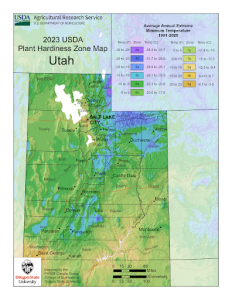
Much, though not all, of the Salt Lake Valley is USDA Zone 7a. The benches and canyons run cooler at Zones 6a to 6b, while mountain areas drop to Zone 5b and below. We recommend always checking your zipcode for your specific zone, as well as the plant tag for its hardiness zone, before buying.
Use this link to determine your specific zone by typing in your zipcode:
Can lavender grow in Utah?
Yes. English, French & Lavandin varieties, including popular varieties such as Hidcote, Munstead, and Phenomenal, are cold-hardy to Zone 5 and do well along the Wasatch Front. They need full sun, well-drained soil, and minimal water once established.
The main thing to avoid is overwatering and planting in heavy clay without using some compost to help with drainage.
Is tickseed a perennial?
Yes. Tickseed (Coreopsis) is a perennial that blooms repeatedly through summer with bright yellow, golden, or bicolor flowers. It’s drought-tolerant, low-maintenance, and attracts pollinators.
Do perennials come back every year?
Yes, perennials will come back each year. Perennials go dormant in winter with the foliage dying back to the ground. But, the root systems are still active and they will send new foliage up in the spring / early summer.
Are mums perennials in Utah?
Chrysanthemums (Chrysanthemum morifolium) can be perennial in Utah if you get them in the ground early enough. Mums planted in spring have time to establish roots before winter. Fall-planted mums sold as seasonal decor are not always hardy, though many are. Check the zone on the tag of the plant if you aren’t sure.
Are dahlias perennials in Utah?
Dahlias are not perennial in Utah, though they are in warmer climates. That being said, if you dig up the tubers in the fall, and store them properly over the winter, they can be replanted the following year.
When should I plant perennials in Utah?
Spring and fall are both good planting windows in Northern Utah. Fall planting gives roots time to establish before summer heat, while spring works well too as long as you stay consistent with watering through that first season.
July and August have some of the most incredible blossoms, but if you only think of planting in spring or in fall, you might miss out on those incredibly hardy, beautiful blooms. Our seasonal plant care guide covers month-by-month tasks to help new plants get established.
We recommend that you plant perennials whenever you are ready to do so. If you want to have color blooming all year long, take a wander through the garden center during each season to see what is blooming and get an idea of which flowers you’d like to add to your garden.
How long do perennials live?
It varies by species. Short-lived perennials like columbine and lupine last three to five years, while long-lived perennials like peony, daylily, hosta, and iris can thrive for decades with proper care. Many short-lived types freely reseed to keep the patch going on their own.
Do perennials need to be cut back in the fall?
Most herbaceous perennials benefit from being cut back after they go dormant, either in late fall or early spring. We recommend early spring, right when they start to break dormancy.
Leaving the dried foliage and seed heads through winter not only provides food and shelter for birds and beneficial insects but also helps protect the crown of the plant during cold winter months. Sort of like nature built in its own mulching system (wink).
Why Utah Gardeners Buy Perennials at Glover Nursery
Choosing the right perennials for Utah’s climate can make all the difference in creating a beautiful, thriving garden. At Glover Nursery, we offer a diverse selection of perennials suited to Northern Utah’s growing conditions, along with knowledgeable staff who can help you find plants that fit your landscape, sunlight, soil, and watering needs.
As a family-owned and family-operated nursery with generations of experience in Utah, we understand the challenges and opportunities of gardening along the Wasatch Front. Whether you’re looking for colorful blooms, pollinator-friendly plants, Utah natives, or water-wise varieties, our team can help you explore options for your garden.
We believe successful gardening starts with choosing the right plant for the right place. From selecting varieties to understanding planting and ongoing care, we’re here to help you build a landscape you can enjoy for years to come.
- Staff expertise and in-person plant selection: Our team will help you find the right plant for the right place in your garden. There are so many variables to consider when selecting perennials; we are here to help you succeed.
- Delivery across Northern Utah: Need your plants delivered? We bring perennials and gardening supplies right to your driveway. Minimum purchase and delivery fee required, please see delivery page for more information.
- 1,200+ Google reviews: We win the trust of Utah gardeners season after season.
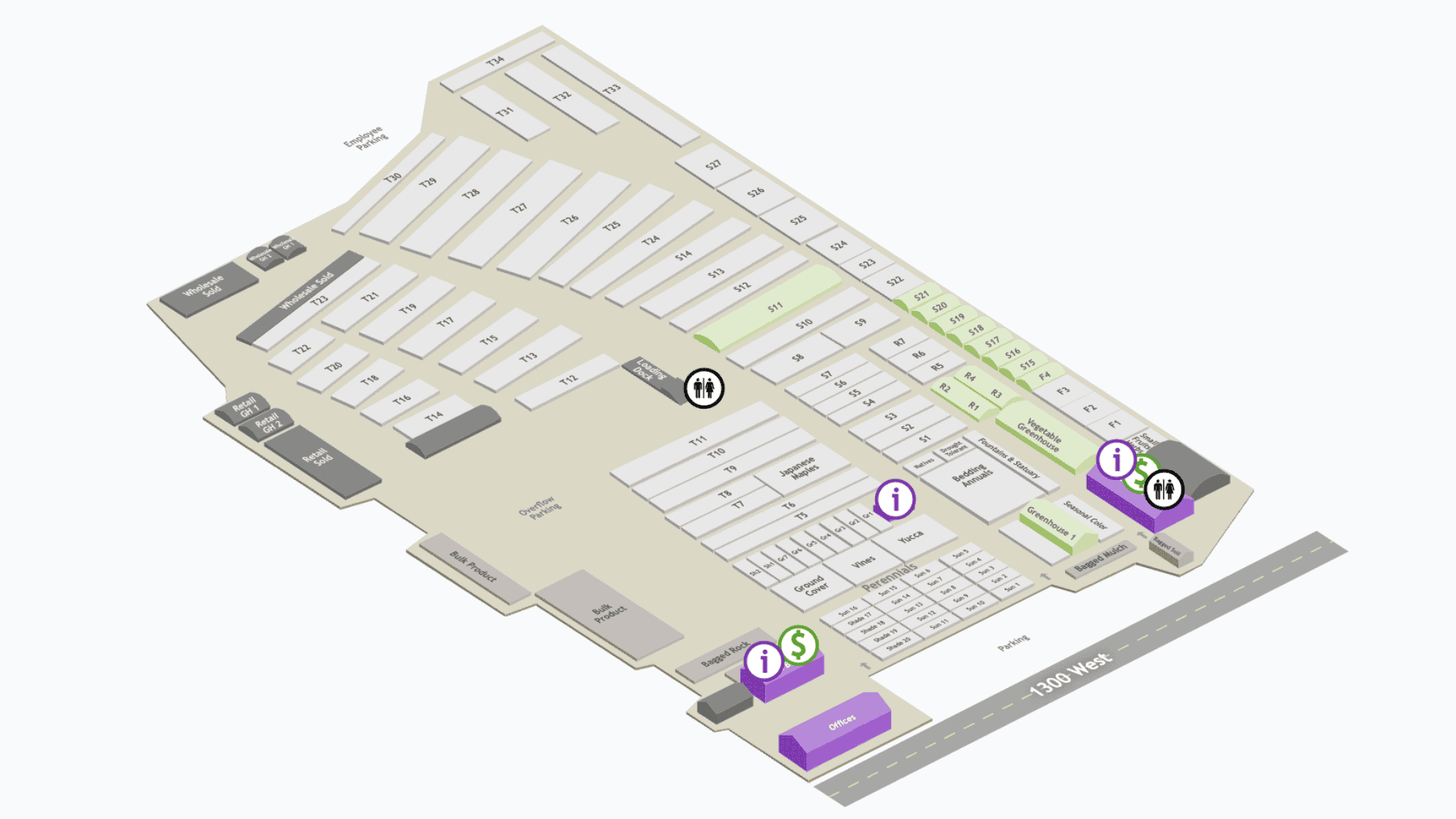
- 10 acres of inventory: We have one of the largest selections of perennial plants for sale in the Salt Lake Valley, all at our West Jordan location.
Looking to browse before you visit?
Our online catalog is a good starting point, but it doesn’t show everything. Our inventory rotates throughout the season, and there’s always more on the lot than what’s listed online. If you’re looking for a specific shrub, send us a general inquiry and we’ll let you know if we have it in the store for pick-up or delivery.
Have Questions About Perennials? We Can Help
If you already own a perennial that’s giving you trouble, our Plant Diagnostics Team can help figure out what’s going on. You can also call us at (801) 562-5496 or stop by the nursery to talk it through in person.